CASABREWS CM5418 Review (2026): A Budget Machine for Decaf Lattes?
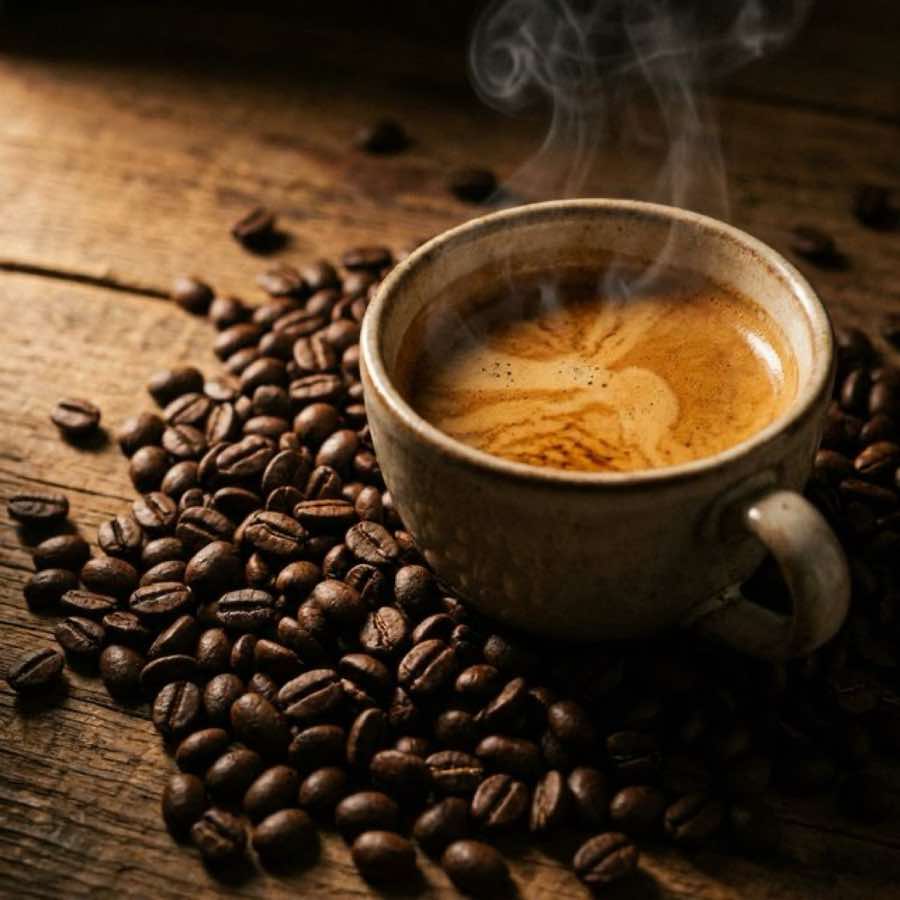
The CASABREWS CM5418 is a sensible first machine for decaf latte drinkers on a tight budget, and a weak choice for straight espresso. Its dual-wall baskets forgive decaf's fast, uneven flow, and it has a real steam wand. The catches: baskets that cap shot quality, a 51mm portafilter with few upgrades, mixed owner reliability reports, and a steam-then-brew cool-down.
This review is research-based: it draws on CASABREWS's own specifications and user manual, the Amazon US listing, and published reviews and owner reports (named where we use them), not on in-house testing. Where a spec matters for decaf, we explain why.
| Buyer | Verdict | Why |
|---|---|---|
| Decaf latte or cappuccino drinker on a budget | Good fit | Dual-wall baskets smooth over decaf's fast flow; manual steam wand |
| First-time home espresso, pre-ground coffee | Consider it | Simple buttons, programmable shot volume, works with pre-ground |
| Straight espresso drinker | Skip it | Pressurized baskets cap clarity; no unpressurized basket in the box |
| Someone planning to upgrade gear over time | Save for a Bambino Plus or Gaggia | 54mm or 58mm ecosystems and unpressurized baskets |
Price tier: Budget. The colour you pick changes the price: on CASABREWS's own store, every finish other than silver costs more. Price tiers are our own rough budget bands, not live prices. Check the listing for today's price.
Key Specs
Everything below comes from the manufacturer's product page, the user manual or the Amazon US listing (model CM5418BC-UL).
| Spec | CASABREWS CM5418 |
|---|---|
| Type | Semi-automatic espresso machine with steam wand |
| Pump | 20-bar Italian pump (manufacturer rating) |
| Power | 1350 W, 120 V (US model) |
| Pre-infusion | Low-pressure pre-infusion (manufacturer claim) |
| Temperature control | PID temperature control (manufacturer claim) |
| Pressure gauge | Built-in analog gauge |
| Portafilter | 51mm aluminium |
| Baskets in the box | 1-cup and 2-cup dual-wall (pressurized) filters |
| Shot buttons | 1 cup and 2 cup, programmable: single 30–70 ml, double 80–120 ml |
| Steam | Manual steam wand with mechanical valve; also dispenses hot water |
| Water tank | 34 oz, removable |
| Heat-up | About 1 minute (manufacturer figure) |
| Size | 5.47" W x 12.28" D x 11.97" H |
| Weight | 8.6 lb (Amazon listing) |
| Auto shut-off | Powers down after 29 minutes without use |
| Descaling | Reminder after 500 brew cycles |
| In the box | Portafilter, two filter baskets, scoop with tamper, cleaning needle, manual |
| Warranty | One-year limited warranty (manufacturer) |
Two things on this sheet deserve context. The 20-bar figure is a pump rating, not the pressure your coffee sees; good espresso brews near 9 bars, and our explainer on whether a 20-bar espresso machine is good covers why boxes advertise bigger numbers. And the pressure gauge is more useful than it looks on a decaf machine: it gives you a rough, repeatable signal of whether a change in grind slowed the shot down, which matters when decaf's crema is too thin to judge by eye.
Who the CM5418 Suits
The CM5418 makes most sense for three kinds of buyer:
- Decaf milk-drink households. Lattes, cappuccinos and flat whites hide the limits of a pressurized basket, and the manual steam wand is the main reason to choose this machine over a pod brewer.
- People testing whether home espresso is for them. It is small, the controls are four buttons and a knob, and it works with pre-ground coffee while you decide whether a grinder is worth it.
- Small kitchens and offices. At under 5.5 inches wide it needs very little counter width.
It suits fewer people once straight espresso is the main drink, or once you know you want to keep upgrading. Neither the baskets nor the 51mm format give you much room to grow. Single-wall (unpressurized) 51mm baskets do exist as aftermarket parts, and Portafilter Co treats fitting one as the way past the stock baskets' limit. TechRadar adds a catch: the stock portafilter holds its baskets with a notch rather than a spring clip, CASABREWS sells no single-wall basket that fits it, so in practice the swap means buying a different portafilter too.
How It Handles Decaf
Decaffeination leaves beans more brittle and porous. Ground on the same setting as regular coffee, decaf breaks into more fines and offers less resistance, so shots run fast and taste thin or sour. On an unpressurized machine that means chasing the grind. The CM5418's dual-wall baskets restrict flow at the exit with a small hole, which keeps back-pressure up even when the puck is not ideal. For decaf, that forgiveness is the machine's best feature.
Use these as starting points, then adjust by taste:
| Setting | Regular beans | Decaf beans |
|---|---|---|
| Grind | Fine espresso grind | One or two steps finer than your regular setting |
| Dose | Fill the double basket to just below the rim after tamping; weigh it once and repeat that weight | Same dose as regular; decaf is less dense, so the same weight sits slightly higher |
| Yield | About twice the dose by weight | About 2 to 2.5 times the dose; a longer pull often softens decaf's woody notes |
| Shot button | Double, default volume | Double, reprogrammed to stop at your target yield |
Three habits make the biggest difference with decaf on this machine:
- Program the double button by weight, once. The buttons stop by volume, which runs differently with decaf's fast flow and light crema. Put the cup on a scale, hold the 2-cup button for 3 seconds to enter programming, press it again to start, and press it once more when the scale reaches your target yield. The machine saves it (the double range is 80–120 ml).
- Do not chase "finer" forever. Pressurized baskets dislike powder-fine coffee. If the shot only drips and the gauge sits high, coarsen a step. Decaf wants finer than regular, not as fine as the grinder will go.
- Judge by taste, not crema. Dual-wall baskets make foam from almost any coffee, and decaf crema is lighter anyway. Our guide to decaf espresso with no crema explains what crema does and does not tell you.
Freshness matters more for decaf, because it stales faster. Pair the machine with beans from our best decaf espresso beans guide, and for the full method (ratios, troubleshooting fast shots, temperature) see our dialing in decaf espresso guide.
Milk Drinks and the Steam-Then-Brew Catch
The steam wand is manual: you control the stretch and the texture with the jug, the way you would on a café machine. The manual suggests about 120 ml (4 oz) of cold whole milk in a jug 70–75mm wide, with the wand tip about two millimetres below the surface to start. Expect a learning curve, but a manual wand gives you more control over texture than an automatic frother, and it is the main thing that separates this machine from a pod brewer.
The catch is heat. The CM5418 uses one heating system for brewing and steaming, so after steaming it is too hot to brew. If you press a cup button straight after frothing, both cup lights flash and the machine refuses to brew until it cools. The manual's fix is to run hot water from the steam wand for about 8 seconds. CASABREWS's current product page also describes an automatic purge after steaming that brings the brew temperature back. Either way, the easy routine is the one the manual itself gives:
- Turn the machine on and run a blank shot through the empty portafilter to preheat it.
- Pull your decaf shot.
- Press Steam, wait for the light to stop flashing, purge the wand, then steam the milk.
- If you need a second drink, run the wand on hot water for about 8 seconds before the next shot.
For decaf drinkers making one latte in the evening, this barely matters. For a household making four cappuccinos back to back, it adds a pause between each one.
Reliability: What Owners Report
We have not run a CM5418 long term, so this section sums up what published reviewers and owners report, with each source named.
- theownersay collects 42 owner reports (last updated October 2026). Its summary calls the machine an "affordable entry into home espresso" whose "long-term reliability and build quality are inconsistent". It says some units work for up to three years, but "many owners report mechanical failure within 2 to 12 months": steam wand leaks, loss of pressure, a gauge that stops working, or a machine that stops altogether. The same owners describe CASABREWS customer service as responsive.
- A year-long owner review on Reddit r/espresso (u/valtymor) reports that after about a year of one or two drinks a day, the machine began leaking from the steam wand and losing pressure, and CASABREWS support offered a replacement or a refund. Commenters are split: one owner's machine was still going strong after about a year, while another had leaks after a year, a replacement that lasted another year, and then a refund.
- Homes & Gardens (Lydia Hayman, June 2025) notes that lower-scoring owner reviews complained about durability, including loud noises, vibration, faulty milk steamers and pressure gauges that stopped working; one owner said theirs stopped working after two months.
- Portafilter Co (a research-based review, August 2026) scores it 6.0/10 and lists "less proven long-term durability" and a much smaller spare-parts and accessory ecosystem than De'Longhi or Breville among its cons.
- TechRadar (Abigail Shannon, September 2025), which tested it over four weeks, calls it a "great match for beginners" that "delivers consistent performance", but flags a hard plastic portafilter handle and a basket that is loud and sometimes feels unstable in the portafilter.
The pattern across these sources is that many units work well, but a share develop steam wand leaks or lose pressure within the first year or so. CASABREWS covers the machine with a one-year limited warranty, so keep the receipt and register the machine. If a longer track record and easier spare parts matter more to you than price, the Breville and Gaggia alternatives below are the safer bets.
Pros and Cons
Based on the specifications, the manual and published reviews, not hands-on testing:
Pros
- Dual-wall baskets forgive decaf's fast flow and work with pre-ground coffee.
- Analog pressure gauge gives a repeatable signal when you change the grind.
- Manual steam wand for real milk texture, plus hot water from the same wand.
- Programmable single and double shot volumes.
- Compact: 5.47 inches wide, 8.6 lb.
- 34 oz removable tank, auto shut-off after 29 minutes, descaling reminder.
- One-year limited warranty from the maker.
Cons
- No unpressurized basket in the box, which caps straight-espresso quality.
- 51mm portafilter: a smaller accessory ecosystem than 54mm or 58mm machines.
- Brewing right after steaming triggers over-heating protection; you must cool it down first.
- Volumetric buttons need reprogramming for decaf's faster flow.
- No grinder included, and the included scoop-and-tamper is basic.
- Mixed owner reliability reports: some units develop steam wand leaks or lose pressure within the first year (see Reliability above).
Care and Descaling
The routine from the manual is short, and keeping to it matters more on a small machine:
- After every use: knock out the puck, rinse the basket and portafilter, wipe the steam wand straight away and purge it. If the wand tip clogs with milk, clear it with the included cleaning needle.
- Regularly: clean the drip tray and tank. Do not put parts in the dishwasher. If shots slow down for no clear reason, soak the filter basket in boiling water for 10 minutes; decaf's extra fines clog dual-wall baskets faster.
- When the reminder appears (after 500 brews): descale with a household descaler (4 parts water to 1 part descaler) or citric acid (100 parts water to 3 parts citric acid), then run two tanks of clean water through. Hard water may need it sooner.
Alternatives Worth Considering
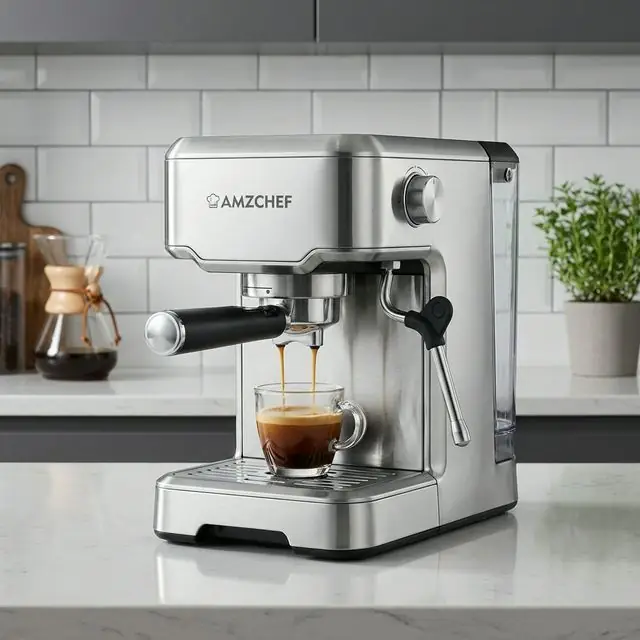
- AMZCHEF 20-Bar (Budget): the closest rival at this price, with the same pressurized-basket approach. Compare the two listings on the day; if one is much cheaper, buy that one.
- Breville Bambino Plus (Mid-range): the upgrade most decaf drinkers should stretch to. Fast heat-up, automatic milk texturing and a 54mm portafilter that takes unpressurized baskets when you add a good grinder.
- Gaggia Classic Pro (Mid-range): for learning traditional espresso with a 58mm commercial-size portafilter. See our Gaggia Classic Pro decaf settings for starting recipes.
- Breville Barista Express (High-end): if you want a grinder built in and do not want to buy one separately.
- DeLonghi Magnifica Start (Mid-range): a super-automatic for one-touch decaf drinks with no grinding, dosing or tamping.
Our best espresso machine for decaf guide compares these picks side by side, and the espresso machine hub ranks everything we currently recommend.
Price tiers are our own rough budget bands, not live prices. Check the listing for today's price.
Verdict
The CASABREWS CM5418 does the job a budget machine should do for decaf drinkers: its pressurized baskets turn decaf's fast, unpredictable flow into a drinkable shot, and its manual steam wand makes proper lattes and cappuccinos possible on a small counter. Program the double button by weight, grind a little finer than you would for regular beans, and pull the shot before you steam.
Go in knowing the ceiling. When you want sweeter, clearer straight shots, the next step is a machine that takes unpressurized baskets, not a new technique on this one.
Our verdict: in our opinion the CM5418 is a reasonable buy for a budget-limited, milk-drink, decaf-leaning household, based on manufacturer specifications, the user manual, published reviews and owner reports rather than in-house lab testing. As a straight-espresso machine it is limited; as a first latte machine at this price, it belongs on the shortlist.
Frequently Asked Questions
Is the CASABREWS CM5418 good for decaf espresso?
For decaf milk drinks, yes. It ships with dual-wall (pressurized) filter baskets, which keep flow under control when brittle decaf grounds would otherwise run fast. For straight decaf shots with real clarity, a machine that takes unpressurized baskets, such as the Breville Bambino Plus or Gaggia Classic Pro, has a higher ceiling.
Is the CASABREWS CM5418 reliable?
Reports are mixed. TechRadar found its performance consistent over four weeks of testing, but owner reports collected by theownersay and a year-long owner review on Reddit r/espresso describe steam wand leaks and lost pressure within the first year on some units, and Portafilter Co lists less proven long-term durability as a con. CASABREWS gives a one-year limited warranty, so keep the receipt.
What grind should I use for decaf on the CASABREWS CM5418?
A fine espresso grind, a step or two finer than you would use for regular beans, because decaf runs faster. With the dual-wall baskets you do not need a perfect espresso grinder, but very fine, powdery coffee can choke the basket, so back off if the shot only drips.
Can I use pre-ground coffee in the CM5418?
Yes. CASABREWS says pre-ground espresso coffee works and recommends a fine espresso grind rather than drip-coffee grounds. Pre-ground decaf goes stale quickly, so buy small bags and use them within a couple of weeks of opening.
Why do the cup buttons flash after I steam milk on the CM5418?
The machine is too hot to brew and has gone into over-heating protection. The manual's fix is to turn the steam knob to hot water and run it from the wand for about 8 seconds to cool the boiler, then brew. The simpler habit is to pull the shot first and steam the milk second, which is the order the manual uses.
What size portafilter does the CASABREWS CM5418 use?
51mm. Tampers, baskets and puck screens must be sold as 51mm-compatible; 54mm (Breville) and 58mm (Gaggia, Rancilio) accessories will not fit.
Is the 20-bar pump better than a 15-bar or 9-bar machine?
No. Espresso is brewed at roughly 9 bars at the puck, and the 20-bar figure is the pump's rating, not the brewing pressure. Judge the CM5418 on its baskets, steam wand and price, not its bar number.
What is the difference between the CASABREWS CM5418 and the 5418 PRO?
According to CASABREWS's own comparison, the 5418 PRO heats up for brewing in about 5 seconds (CM5418: about 50), is ready to steam about 3 seconds after a shot (CM5418: about 20), runs at 1550 W instead of 1350 W, and has an all-aluminium portafilter instead of aluminium and plastic. Both have a 20-bar pump, a 51mm portafilter and a one-year warranty. The PRO costs more.
CASABREWS CM5418 or AMZCHEF 20-Bar?
They are close rivals at the budget end, both with 20-bar pumps, pressurized baskets and manual steam wands. The CM5418 has a built-in pressure gauge and a one-year limited warranty from the maker. Compare today's prices on both listings; if one is much cheaper, that usually decides it.
Best Decaf Espresso Editorial Team
Research-based reviewsWe research every machine, grinder and bean from manufacturer specs, manuals and long-term owner reports, and we read them with decaf in mind. We don't run in-house tests.
You Might Also Like
Is a 20 Bar Espresso Machine Good?
Espresso extracts at about 9 bars at the puck, so what does a 20-bar rating actually buy you? Here is what the number really measures, why marketing loves it, and what to look at instead.
Read More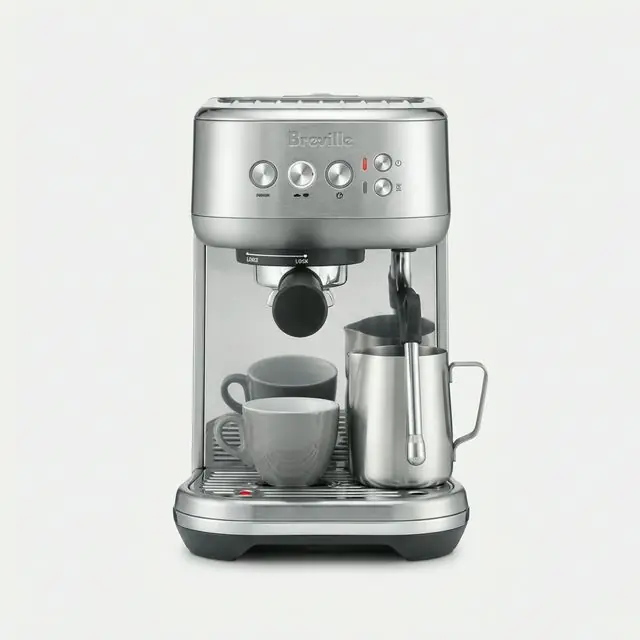
Breville Bambino Plus Review (2026): The Best Small Machine for Decaf Espresso?
A decaf-first look at the compact Breville Bambino Plus: why the 3-second heat-up makes it the best small espresso machine for evening decaf drinkers.
Read MoreGaggia Classic Evo Pro Review (2026): The Decaf Drinker's Workhorse
The current Classic Pro E24 (RI9380/46) keeps everything we loved about the platform and swaps in a lead-free brass boiler. Here's how it handles brittle, fast-running decaf — and whether you should mod it.
Read MoreEnjoyed this article?
Subscribe for more practical espresso and decaf insights delivered to your inbox.