As an Amazon Associate I earn from qualifying purchases. Buying through our links costs you nothing extra and helps support independent reviews.
Better Beans,
Better Extractions
The best machine in the world can't save stale, supermarket beans. We test specialty roasters to find the freshest, most flavorful beans for your daily espresso ritual.
Start here: Best Decaf Espresso Beans 2026 — 7 Ranked PicksHow to Choose the Best Espresso Beans
Great espresso starts with great beans. Here's everything you need to know before you buy—from roast level to processing method to storage.
What to Look For
The single most important factor when buying espresso beans is roast date. Always look for a bag with a clearly printed date—not a vague "best by" label. You want beans roasted within the last four weeks. Beyond that window, the volatile aromatic compounds that give espresso its crema and sweetness begin to fade, leaving you with a flat, papery shot.
For espresso specifically, a medium-dark roast is the safest bet. It strikes the right balance between sweetness, body, and solubility. Lighter roasts can produce stunning pour-overs but are notoriously difficult to dial in on espresso machines—they run sour, require finer grinds, and demand higher temperatures.
You'll also need to decide between single-origin and blend. Single-origin beans showcase the terroir of one farm or region—expect distinct fruit or floral notes, but less consistency bag to bag. Blends are crafted for balance and repeatability, making them forgiving for daily espresso. For most home baristas, a well-made blend is the better starting point.
Decaf Processing Methods
Not all decaf is created equal. The method used to extract caffeine has a massive impact on what ends up in your cup. The Swiss Water Process is our gold standard. It uses nothing but water and osmosis—green beans are soaked in a solution that draws out caffeine molecules while preserving the flavor compounds. It's certified organic and 100% chemical-free, and it consistently produces the sweetest, most complex decaf we've tasted.
The EA (Sugarcane) Process uses ethyl acetate derived from sugarcane to dissolve caffeine. It's technically "natural" since EA occurs in fruit, and it tends to leave beans with a pleasant, slightly sweet character. It's popular with Colombian decafs. The tradeoff is a narrower flavor range compared to Swiss Water.
Finally, the CO2 Process forces supercritical carbon dioxide through green beans at high pressure, selectively extracting caffeine. It's efficient and preserves flavor well, but it's expensive—so it's mostly used by larger commercial roasters. Of the three, Swiss Water gives you the most transparency and the best flavor for espresso.
Roast Level Guide
Light roast beans are dropped early in the roasting process, preserving high acidity and bright fruit or floral notes. They're beautiful in a V60 but punishing in an espresso machine—expect sour, thin shots unless you have a prosumer setup and a very precise grinder. We don't recommend them for beginners pulling espresso.
Medium roast beans hit the sweet spot for versatility. You'll taste balanced sweetness, gentle acidity, and clean body. They work well as straight espresso and in milk drinks. If you switch between brew methods, medium is your all-rounder.
Medium-dark roast is our pick for dedicated espresso drinkers, especially those who favor milk-based drinks like lattes and flat whites. Expect rich chocolate, caramel, and toffee notes with low acidity and full body. The deeper development makes these beans more soluble, which means they're easier to extract evenly—a big deal if you're using a home grinder that isn't perfectly uniform.
Dark roast pushes into smoky, bittersweet territory—the traditional Italian espresso profile. Oils appear on the surface of the bean. These are polarizing: some people love the bold, roasty punch, while others find it one-dimensional. Dark roasts can also cause oilier buildup in your grinder, so clean it more often if you go this route.
Freshness & Storage
Always buy from roasters who print a roast date on the bag—not just a "best by" or "use by" date. That distinction matters. A "best by" date twelve months from now tells you nothing about when the beans were actually roasted. A clear roast date is a sign of a roaster who stands behind their freshness.
Once you have fresh beans, use them within four weeks of the roast date. After that point, oxidation and CO2 loss accelerate, and the flavors that make specialty coffee worth the price start to disappear. You'll notice crema thinning out and the shot tasting increasingly hollow.
Store your beans in an airtight, opaque container at room temperature. Light and oxygen are the enemies—avoid clear jars on sunny countertops. We don't recommend refrigerating or freezing your beans. Temperature fluctuations introduce moisture through condensation, which degrades flavor and can cause clumping in your grinder. A good vacuum canister in a dark cabinet is all you need.
One last tip: don't brew espresso with beans the day they're roasted. Fresh-roasted coffee releases a surge of CO2 that causes erratic extraction—your puck will channel, and the shot will taste sharp and gassy. Let beans degas for 5 to 7 days after roasting before pulling your first shot. After that rest period, they'll be in their prime window for espresso.
Why we love Specialty Decaf
For too long, decaf was an afterthought—roasted poorly and ignored by experts. Modern specialty decaf uses the **Swiss Water Process** to remove caffeine without using harsh chemical solvents (like Ethyl Acetate), preserving the bean's natural complexity.
Solvent Free
No chemical processing
True Origin
Single-origin decaf lots
Sleep Better
Enjoy espresso at 10 PM
Flavor First
Sweet, syrupy extractions
Evolution"
Our Current Favorites
These beans are currently dialed-in on our benches and performing beautifully.
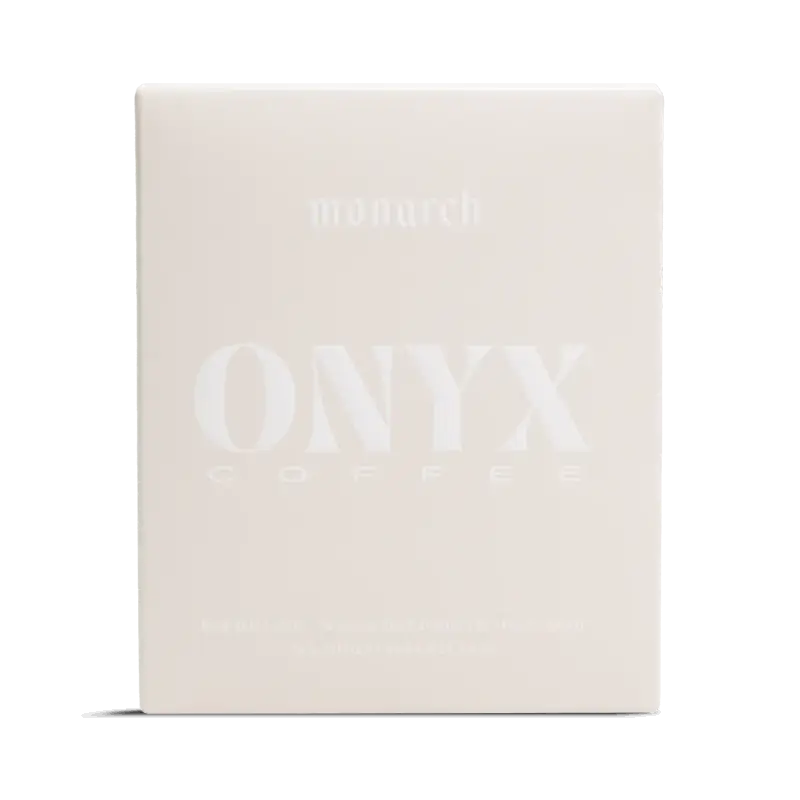
Monarch
Premium (10oz)
The gold standard for espresso blends. Darker than modern light roasts but lighter than traditional Italian roasts. Notes of dark chocolate, red wine, and dried berries.
- •Incredibly sweet
- •Perfect with milk
As an Amazon Associate I earn from qualifying purchases. Buying through this link costs you nothing extra.
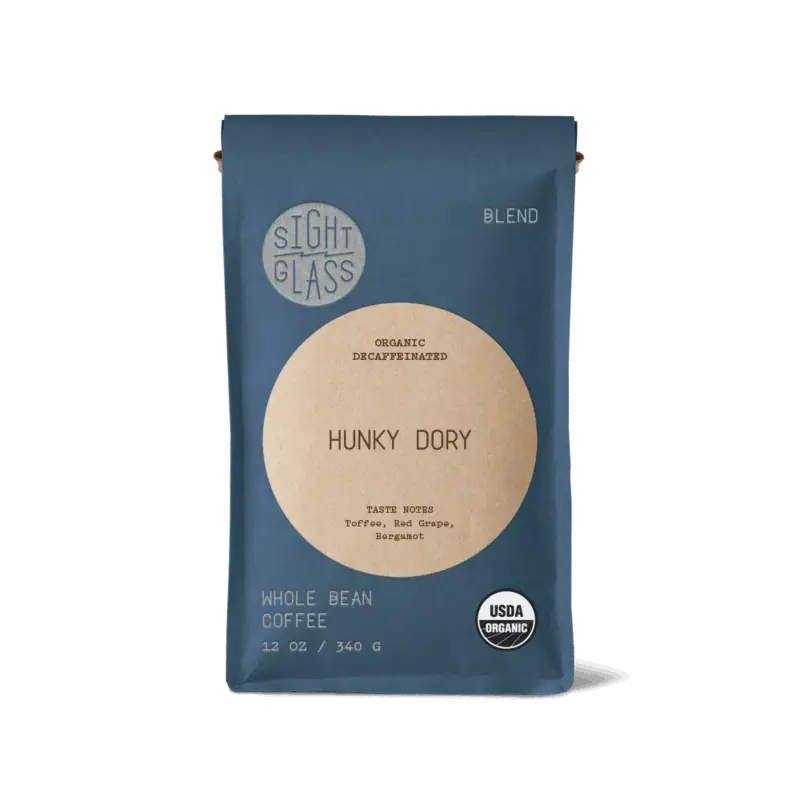
Hunky Dory Decaf
Mid-Range (12oz)
A decaf that doesn't taste like decaf. A sweet, syrupy blend with notes of toffee, red grape, and bergamot that stays lively even in milk drinks.
- •99.9% Caffeine Free
- •No chemical solvent
As an Amazon Associate I earn from qualifying purchases. Buying through this link costs you nothing extra.
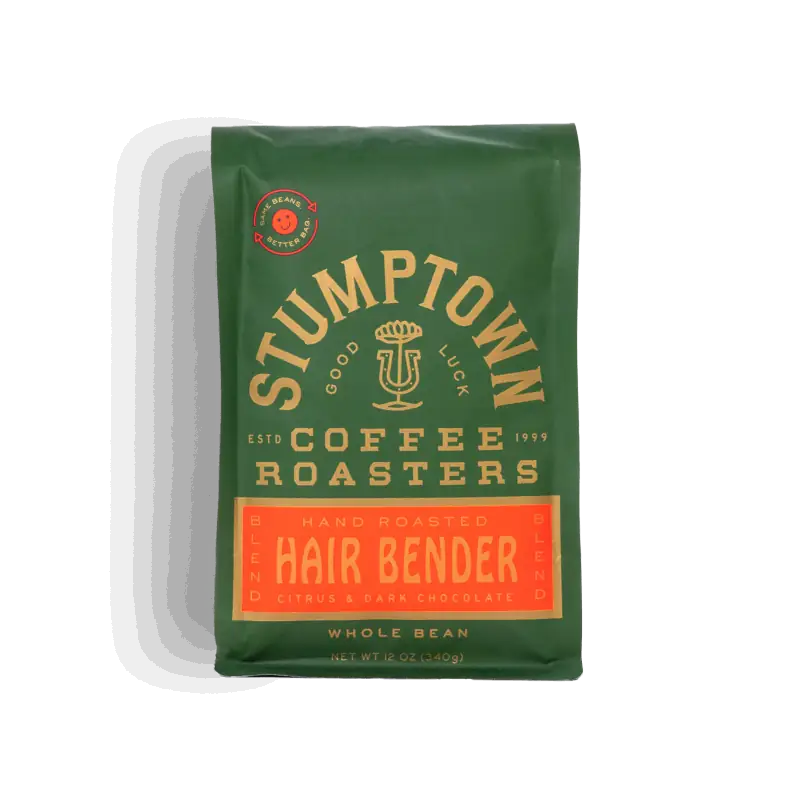
Hair Bender
Budget (12oz)
The classic espresso blend that helped launch the third wave movement. Complex, balanced, and widely available while remaining high-quality.
- •Very forgiving to brew
- •Widely available
As an Amazon Associate I earn from qualifying purchases. Buying through this link costs you nothing extra.
Want more decaf recommendations?
7 Best Decaf Beans for Espresso (2026)Frequently Asked Questions
What is Swiss Water Process decaf?
Swiss Water Process is a chemical-free decaffeination method that uses only water and osmosis to remove caffeine from green coffee beans. It preserves the original flavor compounds better than solvent-based methods, producing sweeter, more complex decaf with no chemical residue.
How long do coffee beans stay fresh?
Whole coffee beans are at their peak flavor within 2-4 weeks of the roast date. After that, oxidation and CO2 loss cause the aromatics and crema to fade noticeably. Always check for a printed roast date rather than a vague "best by" label.
What's the best roast level for decaf espresso?
Medium-dark roast is ideal for decaf espresso. It provides rich chocolate and caramel notes with full body and low acidity. The deeper development also makes the beans more soluble, which compensates for the slight density changes caused by decaffeination.
How should I store espresso beans?
Store beans in an airtight, opaque container at room temperature in a dark cabinet. Avoid clear jars, direct sunlight, and refrigeration — temperature fluctuations introduce moisture through condensation, which degrades flavor and can cause clumping in your grinder.
Does decaf coffee taste different from regular?
Modern specialty decaf processed via Swiss Water or sugarcane methods tastes remarkably close to regular coffee. You may notice slightly less brightness and a softer body, but high-quality decaf from specialty roasters is nearly indistinguishable in a blind tasting, especially as espresso.
Never Run Out of Fresh Roast
The best way to get fresh coffee is through a subscription. We've vetted the top 5 coffee subscriptions for home baristas—including ones that specialize in decaf.
View Best Subscriptions