Is a 20 Bar Espresso Machine Good?
As an Amazon Associate I earn from qualifying purchases.
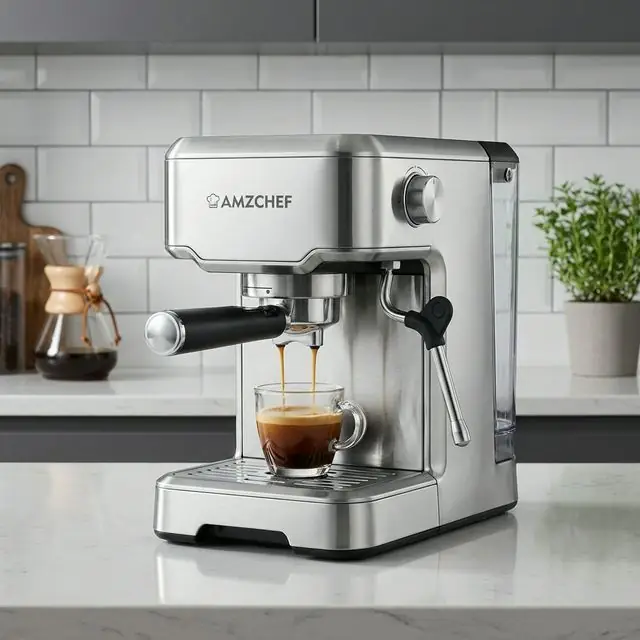
Walk through the budget espresso aisle and every box shouts a pressure rating: 15 bar, 19 bar, 20 bar. The implication is obvious — bigger number, better espresso. So is a 20-bar espresso machine good?
Short answer: a 20-bar machine can be perfectly good, but never because of the 20 bars. Espresso is extracted at roughly 9 bars of pressure at the coffee puck. The 20-bar figure describes what the pump can do at its peak, not what your coffee experiences, and it tells you almost nothing about how the machine will actually brew.
Here is what the number really measures, why manufacturers keep printing it, and what to look at instead.
What "20 bar" actually measures
The rating on the box is the pump's maximum static pressure — what a small vibratory pump can produce when it is pushing against a dead end with no water flowing. That is a laboratory number, not a brewing number.
The moment water starts moving through a puck of coffee, pressure drops well below that peak. Any sensibly designed machine also limits brewing pressure on purpose, either with an over-pressure valve (OPV) that bleeds off the excess or, on most budget machines, with a pressurized portafilter basket whose small valve controls the flow. So a "20-bar machine" and a "15-bar machine" with the same internals brew at essentially the same pressure — somewhere near 9 bars, if the designer did their job.
Why espresso targets about 9 bars
Nine bars at the puck has been the espresso standard for decades, and it is not arbitrary. Around that pressure, hot water is forced through a compacted bed of fine coffee quickly enough to emulsify oils and produce crema, but not so violently that it tears channels through the puck.
Push much harder and extraction gets worse, not better. Excess pressure compacts the puck unevenly, encourages channeling — water blasting through weak spots while bypassing the rest — and drags out harsh, astringent compounds. This is why several enthusiast machines let you brew at lower pressures, in the 6-to-9-bar range, and why nobody who cares about flavor brews at anything like 15 or 20 bars.
Why the marketing uses the bigger number
Because it works. Pressure ratings are one of the only specs a shopper can compare across a wall of lookalike machines, and the peak rating of a cheap vibratory pump is a big, honest-sounding number that costs nothing to advertise. Fifteen bars was the standard boast for years; twenty is simply the next rung of the same arms race.
It is worth being fair here: the number is not a lie. The pump really can hit 20 bars against a closed valve. It is just irrelevant, the way a family car's 140 mph speedometer is irrelevant to your commute. The machines are not better or worse for it — the spec is simply the wrong thing to shop on.
What actually matters instead
If pump rating is off the list, here is what separates a good budget machine from a frustrating one:
- Temperature stability. Water temperature at the puck affects flavor far more than a few tenths of a bar. Machines with good thermal regulation pull consistent shots; machines that run hot and cold swing between bitter and sour with the same beans.
- Pressure at the puck, not at the pump. A machine with a properly calibrated OPV, or a well-designed basket, delivers stable, appropriate pressure. You will rarely find this on a spec sheet, which is exactly why reviews matter more than boxes.
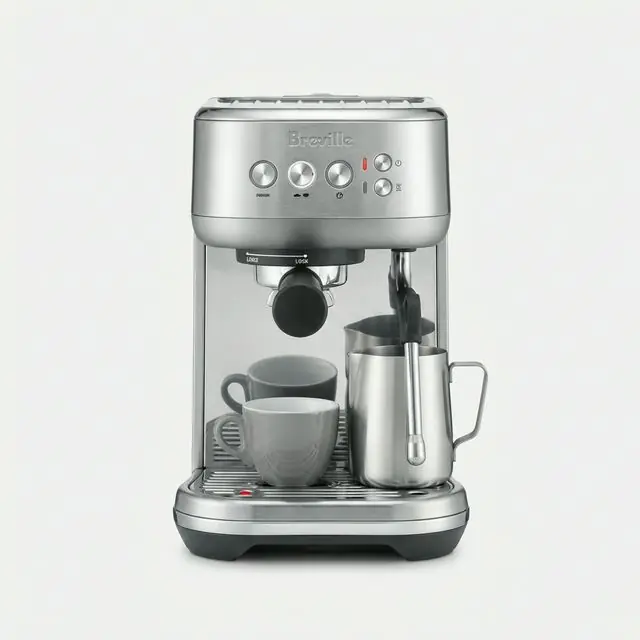
- Basket quality and upgrade path. Pressurized baskets are forgiving for beginners but cap shot quality. Machines that also accept standard unpressurized baskets, like the Breville Bambino line, grow with you.
- The grinder you pair it with. At any price, the grinder determines more of your cup than the machine does. A 20-bar machine fed by a blade grinder loses to a 15-bar machine fed by decent burrs every single time.
The decaf wrinkle
There is one group for whom pressure behavior matters a little extra: decaf drinkers. Decaffeination leaves beans more brittle and porous, so decaf grinds produce more fines and the puck offers less resistance — shots want to gush. When a fast-flowing decaf puck meets a machine that manages its pressure poorly, the failure mode is an over-pressured blast through a weak puck: channeling, harshness, and thin, sour shots.
The fix is not a bigger pump; it is a finer grind and a machine that controls its pressure gracefully. Our dialing in decaf espresso guide covers the full routine. Ironically, the pressurized baskets on most 20-bar budget machines act as a safety net here, smoothing over decaf's fast flow — one of the few genuine advantages of the budget design.
The bottom line
Ignore the bar rating and judge the machine underneath it. A good example: the AMZCHEF 20-Bar, one of the most-searched machines carrying this spec, is a genuinely reasonable budget buy — but for its forgiving basket, workable steam wand, and price, none of which have anything to do with twenty bars. Our full AMZCHEF 20-Bar review covers where it shines and where it falls short, and our espresso machine hub ranks it against everything else we currently recommend, from budget starters upward.
A 20-bar espresso machine can absolutely be good. Just buy it for the right reasons — the pump was never one of them.
If you want to see the pressure you are actually brewing at, choose a machine with a brew-pressure gauge, such as the Breville Barista Express.
As an Amazon Associate I earn from qualifying purchases.
Frequently Asked Questions
Is a 20 bar espresso machine good?
It can be, but not because of the 20 bars. Espresso extracts at roughly 9 bars of pressure at the coffee puck, and the 20-bar figure describes the pump's maximum capability, not what your coffee experiences. Judge a 20-bar machine by its temperature stability, basket quality, and steam performance instead.
Is 20 bar better than 15 bar for espresso?
No. Both numbers describe the pump's peak rating rather than brewing pressure, and both machines will actually brew somewhere near 9 bars at the puck if they are set up sensibly. A 15-bar and a 20-bar machine with the same internals make the same espresso.
How many bars of pressure does real espresso need?
About 9 bars at the puck is the long-standing standard, and most specialty coffee is extracted between roughly 6 and 9 bars. Anything the pump can do beyond that is headroom the machine should never actually apply to the coffee.
Does higher pressure mean more crema?
Not in any useful way. Crema comes from CO2 in freshly roasted beans emulsifying under pressure, so bean freshness matters far more than pump rating. Budget machines that advertise big pressure numbers usually generate their thick-looking foam with a pressurized basket, which fakes crema regardless of the pump.
Best Decaf Espresso Editorial Team
Research-based reviewsWe research every machine, grinder and bean from manufacturer specs, manuals and long-term owner reports, and we read them with decaf in mind. We don't run in-house tests.
You Might Also Like
Best Espresso Machine for Decaf (2026)
Decaf is the hardest bean type to dial in. We ranked the espresso machines that make it easy, and explain the three features that actually matter for decaf.
Read More
Gaggia Classic Pro Decaf Settings: Dose, Grind & Temp Guide
Decaf runs fast and punishes sloppy temperature on a single-boiler machine. Here are our exact Gaggia Classic Pro decaf settings: dose, yield, grind direction, and a temp-surfing routine that actually repeats.
Read MoreBreville Bambino Decaf Settings: Dose, Grind & Shot Guide
The dose, grind, and shot settings to start from for sweet decaf espresso on the Breville Bambino Plus, plus a step-by-step dial-in walkthrough.
Read MoreEnjoyed this article?
Follow us for more practical espresso and decaf insights delivered to your inbox.