Gaggia Classic Pro Decaf Settings: Dose, Grind & Temp Guide
As an Amazon Associate I earn from qualifying purchases.
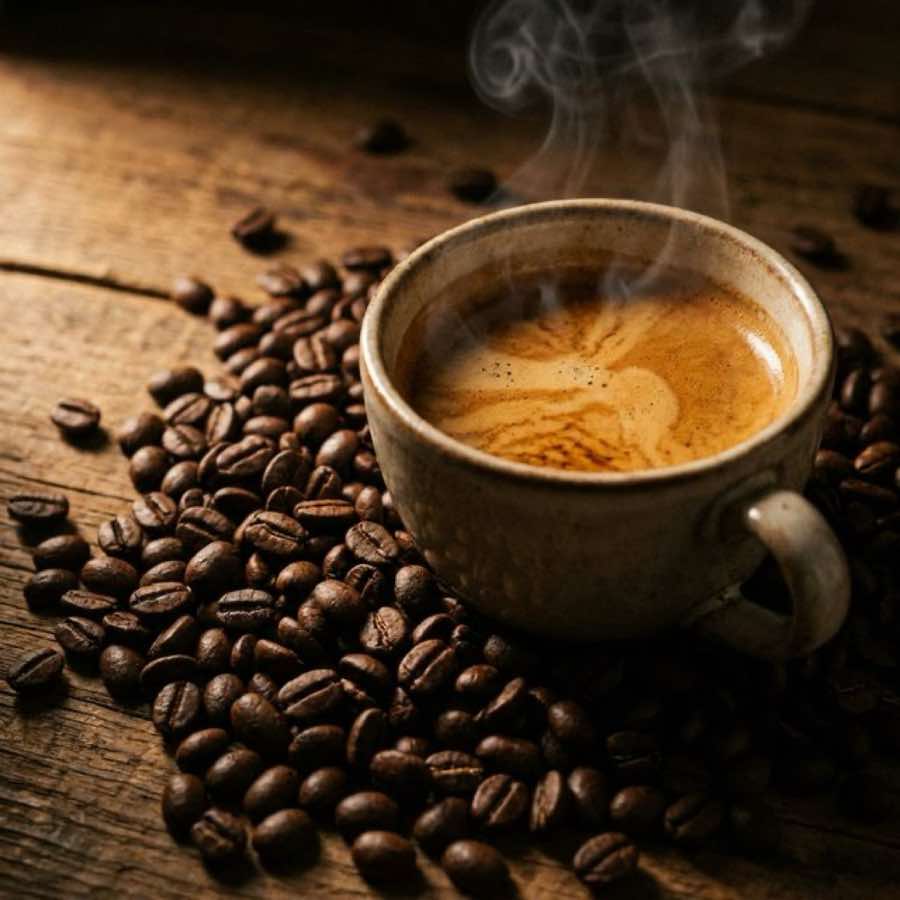
For decaf on the Gaggia Classic Pro, start at 18g in / 36g out in 25–30 seconds, grind noticeably finer than you would for regular beans, and temperature surf the same way every single shot — decaf punishes temperature sloppiness more than anything else you'll put in this machine. The Classic Pro's small single boiler swings several degrees between shots, and brittle, fast-flowing decaf has a narrower forgiveness window than fresh regular beans. Nail a repeatable routine and this machine pulls genuinely excellent decaf; wing it and you'll chase sour, gushing shots for weeks.
Gaggia Classic Pro decaf starting recipe
These are recommended starting points for dialing in, not lab measurements. Your beans, basket, and grinder will move the numbers, but they'll get your first shot in the neighborhood instead of in the sink.
| Shot style | Dose (g) | Yield (g) | Time (s) | Temp approach |
|---|---|---|---|---|
| Light–medium decaf | 18 | 38–40 | 27–32 | Flush, wait for light, count 20s (hotter side) |
| Dark decaf | 18 | 36 | 25–28 | Flush, wait for light, count 30–35s (cooler side) |
| Milk drinks (any roast) | 18 | 36 | 25–30 | Standard surf, then steam after the shot |
Why the slightly longer yield on lighter decafs? Decaf crema is thinner and the cup can taste muted at tight ratios, so stretching to roughly 1:2.2 helps sweetness and clarity without watering things down. Dark decafs extract fast and turn bitter quickly, so keep them at 1:2 and on the cooler end of your surf.
Gaggia Classic Pro Decaf Settings: Dose, Grind & Temp Guide
Why decaf is different on a single-boiler Gaggia
Two things collide here, and understanding both is the whole game.
First, the beans. Decaffeination — whether Swiss Water, sugarcane EA, or CO2 — leaves beans more brittle and less dense than their caffeinated equivalents. They shatter in the grinder, throw more fines, and the puck offers less resistance to water. The practical result: at any given grind setting, decaf runs faster than regular coffee. Sometimes dramatically faster. We cover the full science in our guide to dialing in decaf espresso, which is worth reading before you burn through half a bag.
Second, the machine. As we noted in our Gaggia Classic Pro review, this is a single-boiler machine with a small aluminum boiler of roughly 100ml and a simple thermostat instead of a PID. The thermostat has a wide deadband, which means the actual water temperature can swing meaningfully depending on where the boiler is in its heating cycle when you start the shot. Fresh, well-rested regular beans can absorb a few degrees of slop. Brittle decaf, already prone to fast and uneven extraction, cannot. A too-hot shot tastes harsh and ashy; a too-cool one tastes thin and sour, and you'll wrongly blame your grind.
The temperature-surfing routine, step by step
Temperature surfing just means timing your shot to a known point in the boiler's heat cycle so every shot starts at the same temperature. Here's the routine we use for decaf:
- Warm up fully. Turn the machine on with the portafilter locked in and wait 15–20 minutes. The brew light reaching ready after five minutes does not mean the group head and portafilter are heat-soaked.
- Flush the group. Run about 50–60g of water through the empty portafilter into your cup to warm it. This pulls cool water into the boiler and forces the heating element on (the brew-ready light goes out).
- Wait for the light. When the brew-ready light comes back on, the boiler has just finished a heating cycle — this is your repeatable reference point.
- Count, then pull. Wait a fixed count — we use 25–30 seconds for most decafs — then lock in your (already prepped) portafilter and start the shot. Shorter counts give you hotter water for light roasts; longer counts give cooler water for dark roasts.
The single most important word in that routine is fixed. Surfing to 20 seconds today and 45 tomorrow reintroduces exactly the variable you're trying to kill. Pick a count, write it down, and only change it deliberately as a dial-in move.
Dialing in decaf: the full walkthrough
The Classic Pro's 58mm commercial portafilter is a genuine advantage here. The wider, shallower puck extracts more evenly than the 51–54mm formats on most competitors, and you can drop in precision baskets later without changing anything else in your workflow.
- Weigh your dose. 18.0g into the double basket, every time. Decaf's lower density means it looks fluffier at the same weight — trust the scale, not your eyes. A Normcore V4 spring-loaded tamper removes tamp pressure as a variable too, which is one less thing to think about.
- Distribute properly. Decaf's extra fines make it clumpy, and clumps mean channels. A quick WDT stir with a fine-needle tool transforms decaf pucks; our WDT and puck prep guide shows the technique in 60 seconds.
- Tamp level, surf, and pull to weight. Stop the shot at 36g in the cup, not at a time. Time is your diagnostic, weight is your target.
- Adjust one variable at a time. Shot ran 18 seconds? Grind finer and change nothing else. Tastes sour at 28 seconds? Shorten your surf count by 10 seconds (hotter water) before touching the grind again. Bitter and harsh? Lengthen the count or back the yield down to 34g.
Expect to grind two to five steps finer than your setting for comparable regular beans, sometimes more with very fresh sugarcane decafs. If your grinder can't go fine enough without choking on regular espresso settings, that's a grinder limitation, not a you problem — see our notes on decaf-friendly adjustment ranges in the Niche Zero vs DF64 Gen 2 comparison.
And if every bag behaves differently no matter what you do, start with beans that were roasted for espresso recently. Decaf stales faster than regular coffee, and our best decaf espresso beans roundup lists roasters who actually print roast dates.
The 9-bar OPV mod and fast-flowing decaf
From the factory, the Classic Pro's over-pressure valve (OPV) is set around 12 bar — well above the roughly 9 bar that's been the espresso standard for decades. This is one of the best-known and best-documented mods in home espresso: swap or adjust the OPV spring so the pump tops out near 9 bar.
For regular coffee it's a nice improvement. For decaf, it's close to essential. Brittle decaf pucks are already prone to channeling and gushing; hitting them with 12 bar makes water punch through weak spots even harder, so shots run fast and uneven at the same time. At 9 bar, flow slows, the puck stays intact longer, and the gap between your decaf grind setting and your regular grind setting shrinks. In our experience the mod buys you a noticeably wider sweet spot — shots that would have gushed at 12 bar merely run a touch quick at 9.
We won't reproduce the full procedure here (plenty of excellent community guides exist, and it involves opening the machine), but it's a 20-minute job with basic tools, and replacement springs are cheap. It's exactly the kind of accessible tinkering that makes the Gaggia Classic Pro such a beloved platform.
Classic Pro or Evo Pro? These settings apply to both
Everything in this guide — the 18/36 starting recipe, the surf routine, the finer-grind rule, the OPV behavior — applies equally to the original Classic Pro and the newer Evo Pro revision. The Evo updates some internals, but it remains a small single-boiler, thermostat-controlled, 58mm machine, so decaf behaves the same way on it. If you're choosing between them, our Gaggia Classic Pro review covers the icon and our Gaggia Classic Evo Pro review tracks the newer revision.
Troubleshooting decaf on the Classic Pro
| Symptom | Likely cause | Fix |
|---|---|---|
| Shot gushes in under 20s | Grind too coarse for decaf | Grind 2–3 steps finer; re-check dose is 18g |
| Fast and spraying from spouts | Channeling from clumpy decaf | WDT before tamping; consider the 9-bar OPV mod |
| Sour, thin, weak crema | Brew water too cool | Shorten surf count by ~10s; confirm full 15–20 min warm-up |
| Harsh, ashy, bitter | Brew water too hot, or dark decaf over-extracted | Lengthen surf count; drop yield to 34g |
| Great shot, then terrible next shot | Inconsistent surf timing | Use the exact same flush-and-count routine every shot |
| Good shots from a fresh bag, fading fast | Stale decaf | Buy smaller bags, roast-dated; decaf's freshness window is shorter |
| Sour shot right after steaming milk | Boiler still at steam temperature | Flush water until the brew light cycles, then surf normally |
Supporting gear that makes decaf easier
You don't need much, but three things pay for themselves quickly on this machine. A grinder with fine, repeatable adjustment is the big one — the Niche Zero is our long-standing pick for single-dosing decaf alongside regular beans, since its numbered dial makes the "grind finer for decaf, coarser for regular" swap a five-second job. A 0.1g scale is non-negotiable for pulling to weight. And a WDT tool plus a calibrated tamper like the Normcore V4 tames decaf's clumpy, fines-heavy grounds.
As an Amazon Associate I earn from qualifying purchases. Buying through this link costs you nothing extra.
The bottom line
The Gaggia Classic Pro is a brilliant decaf machine precisely because it makes you build good habits. Start at 18g in, 36g out, 25–30 seconds. Grind finer than feels right. Surf the same way every single time, and seriously consider the 9-bar OPV mod. Decaf will punish you for cutting corners on this machine — and reward you with shots most people wouldn't believe are caffeine-free when you don't.
Barista Ben
Home Espresso EnthusiastBen has been pulling shots at home for over eight years, starting with a Gaggia Classic and working up to dual boilers. He focuses on practical, real-world advice for home baristas who want cafe-quality results without cafe-level budgets.
You Might Also Like
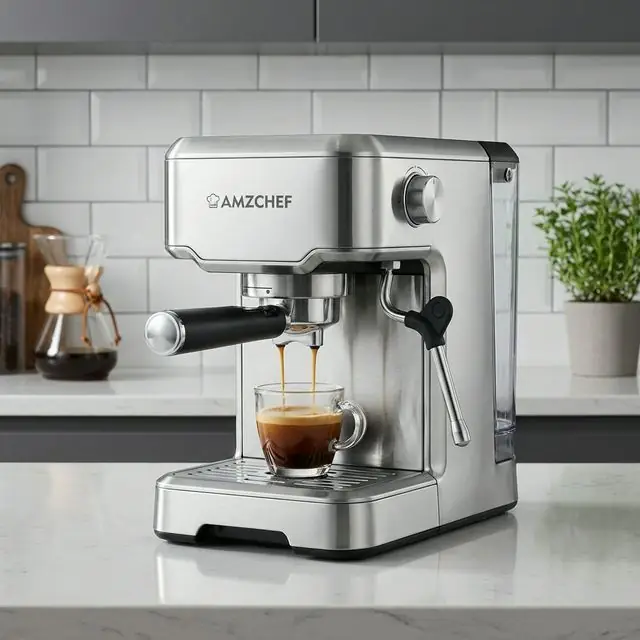
Is a 20 Bar Espresso Machine Good?
Espresso extracts at about 9 bars at the puck, so what does a 20-bar rating actually buy you? Here is what the number really measures, why marketing loves it, and what to look at instead.
Read More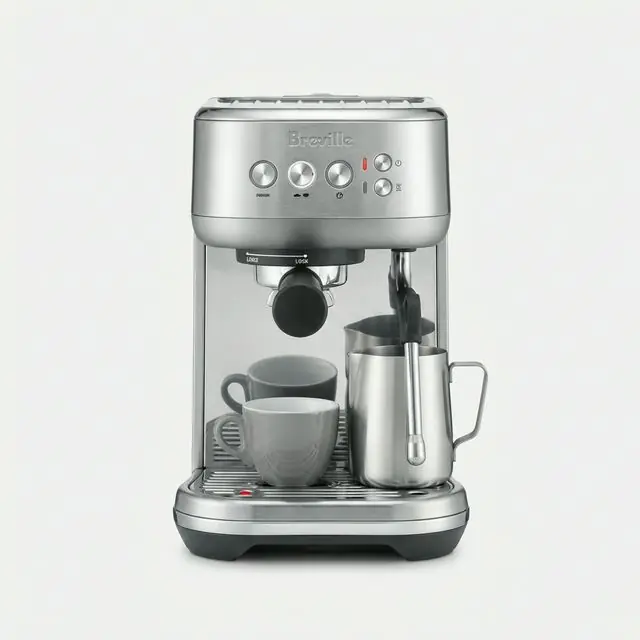
Best Espresso Machine for Decaf (2026)
Decaf is the hardest bean type to dial in. We ranked the espresso machines that make it easy, and explain the three features that actually matter for decaf.
Read MoreBreville Bambino Decaf Settings: Dose, Grind & Shot Guide
The exact dose, grind, and shot settings we use to pull sweet decaf espresso on the Breville Bambino Plus, plus a step-by-step dial-in walkthrough.
Read MoreEnjoyed this article?
Follow us for more practical espresso and decaf insights delivered to your inbox.