Gaggia Classic Evo Pro Review (2026): The Decaf Drinker's Workhorse
As an Amazon Associate I earn from qualifying purchases.
The Gaggia Classic Evo Pro is the best sub-$500 starting point for serious decaf espresso: a simple, durable single-boiler machine with a stainless steel boiler, a real 58mm portafilter, and the deepest modding ecosystem in home espresso. It's the latest evolution of a platform that's been around for decades, and the changes are quiet but meaningful. If you drink decaf and want a machine you can learn on, fix yourself, and upgrade over time, this is the one we point people to first.
Quick verdict at a glance
| Gaggia Classic Evo Pro | |
|---|---|
| Best for | Decaf drinkers who want to learn real espresso and mod over time |
| Boiler | Single stainless steel boiler (the big Evo-generation change) |
| Portafilter | 58mm, commercial size |
| Decaf friendliness | Excellent once dialed; grind finer and expect fast first shots |
| Steam | Capable but slow to switch modes; one drink at a time |
| Mods | 9-bar OPV spring, PID, basket upgrades all well documented |
| Skip it if | You want push-button milk drinks — see the Bambino Plus instead |
What changed in the Evo Pro generation
If you've read our older Gaggia Classic Pro review, most of it still applies here, and that's by design. Gaggia didn't reinvent the machine; they fixed the part owners worried about most.
The headline change is the boiler. The Evo Pro generation moved from the old aluminum boiler to a stainless steel one. That matters for two reasons. First, longevity: stainless steel resists scale-related wear better over years of daily use, and it removes the long-running community debate about aluminum boiler coatings. Second, resale and peace of mind: a stainless boiler is simply an easier machine to recommend for a decade of ownership.
Beyond the boiler, the Evo generation brought small quality-of-life refinements like an updated drip tray design, while keeping everything that made the platform famous: the compact steel chassis, the rocker-switch controls, the three-way solenoid valve that gives you dry pucks, the commercial-style steam wand, and the full-size 58mm portafilter that takes the same baskets and accessories as cafe machines.
What didn't change is just as important. This is still a single-boiler machine with simple thermostat control, no shot timer, no pressure gauge, and no automation. You are the brain of this machine. For some people that's the whole appeal. For others, it's the reason to look at the Bambino Plus instead — more on that below.
How it handles decaf
This is where the Evo Pro earns its place on a decaf-first site. Decaf beans behave differently from regular coffee: the decaffeination process leaves them more brittle and less dense, so they grind finer-feeling, throw more fines, and shots tend to run noticeably faster than the same recipe with regular beans. A machine with simple, direct controls and a standard 58mm basket makes compensating for all that much easier.
Here's how we approach decaf on this machine. Start with our recommended starting points below, then tighten the grind until the shot lands in the target window. These are dial-in starting points, not lab results — your beans, grinder, and basket will move the numbers.
| Style | Dose (g) | Yield (g) | Time (s) | Temp |
|---|---|---|---|---|
| Medium decaf (Swiss Water) | 18 | 36 | 25–30 | Brew light just off (see temp surfing) |
| Darker decaf | 17 | 38–40 | 24–28 | Pull right as brew light cycles off |
| Sugarcane/EA decaf | 18 | 36–40 | 26–30 | Slightly hotter surf for sweetness |
A few Evo Pro-specific decaf notes:
Grind finer than you think. Your first decaf shot on this machine will probably gush. That's the beans, not the machine. Tighten the grind one or two steps at a time until you're in the 25–30 second range. We walk through the full process in our guide to dialing in decaf espresso.
Learn to temp surf. With a single boiler and no PID, brew temperature drifts between heating cycles. The standard technique: flush a little water through the group, wait for the brew-ready light to cycle off again, then pull your shot. Decaf often benefits from the slightly hotter end of the surf, since it can taste flat when brewed cool. It sounds fussy; in practice it becomes a ten-second habit.
Use a quality non-pressurized basket and good prep. Because decaf throws more fines, channeling is the enemy. A proper basket, a consistent distribution routine, and a level tamp matter more here than with regular beans. A Normcore V4 self-leveling tamper is one of the cheapest upgrades that pays off immediately on a 58mm machine like this.
Fresh beans, always. Decaf's freshness window is shorter than regular coffee's, and stale decaf is the number-one cause of sad, crema-free shots on this machine. Our regularly updated list of the best decaf espresso beans is the place to start.
For the full settings walkthrough — grind direction, ratios by roast level, and troubleshooting fast shots — see our dedicated Gaggia Classic Pro decaf settings guide. Everything in it applies directly to the Evo Pro, since the brewing platform is unchanged.
The modding ecosystem
No home espresso machine has a modding community like this one, and the Evo Pro inherits all of it. Two mods matter most, and both are especially relevant for decaf.
The 9-bar OPV spring. From the factory, the over-pressure valve is set well above the roughly 9 bars that most specialty espresso recipes assume. Swapping in a lighter spring (or adjusting the OPV) brings brew pressure down to around 9 bars. It's a cheap part and a short job with basic tools. For decaf specifically, lower pressure is kinder to fines-heavy pucks and reduces channeling, which makes dialing in noticeably more forgiving. If you only do one mod, do this one.
The PID. Replacing the stock thermostat control with a PID temperature controller gives you a stable, displayed brew temperature and eliminates temp surfing entirely. Kits are widely available and well documented, though installation is more involved than the spring swap. Since decaf often rewards a degree or two of extra heat, having an actual number to adjust is genuinely useful rather than a vanity upgrade.
Beyond those two, owners add bottomless portafilters, precision baskets, flow-control devices, and more. The point isn't that you need all of it — it's that the machine can grow with you for years instead of being replaced. That's the real value argument for the Evo Pro over sealed, unserviceable competitors.
Steam performance
The commercial-style steam wand is a big step up from the panarello-tipped wands on most machines at this price, and it will produce proper microfoam for latte art once you've practiced. But the single boiler imposes a workflow: you brew, then flip to steam mode and wait for the boiler to climb to steaming temperature, then steam, then flush the boiler back down before the next shot.
For one milk drink at a time, it's fine. For back-to-back cappuccinos for a household, it's slow, and this is the clearest argument for the Breville Bambino Plus, which heats almost instantly and can even auto-texture milk. If your decaf habit is mostly straight shots and americanos with the occasional flat white, the Evo Pro's steam setup is perfectly adequate.
Evo Pro vs Bambino Plus vs a used older Classic Pro
Buy the Evo Pro if you want to learn espresso properly, you value repairability and mods, and you're happy to spend a week dialing in. It's the machine in this trio that you'll still own in ten years. The current Gaggia Classic Evo Pro is the version to buy new today.
Buy the Bambino Plus if you want good espresso with minimal ritual, fast heat-up, and easy milk. It's more convenient and less involving — a fair trade for a lot of people. Our Breville Bambino vs Gaggia Classic comparison breaks down the decision in detail, including which one dials in decaf faster.
Buy a used older Classic Pro if the price is genuinely low. The pre-Evo machine is the same platform with an aluminum boiler, and a well-maintained one is still excellent — our Gaggia Classic Pro review covers that generation specifically. But if a used unit costs within shouting distance of a new Evo Pro, take the stainless boiler and the warranty. The exception: a used machine that already has a PID and 9-bar spring installed can be a real bargain, because someone else did the work for you.
Still comparing? Our espresso machine hub ranks everything we've tested for decaf, by budget.
As an Amazon Associate I earn from qualifying purchases. Buying through this link costs you nothing extra.
Our verdict
The Evo Pro is a conservative update done right. Gaggia took the most-requested fix — the boiler — and addressed it without touching the simple, serviceable, endlessly moddable formula that made the Classic line a default recommendation for decades.
For decaf drinkers, the case is even stronger. Brittle, fast-running decaf rewards a machine where you control every variable, and the Evo Pro hands you all of them: grind response through a real 58mm basket, pressure via the OPV, and temperature via surfing or a PID. Pair it with fresh beans, work through our decaf settings guide, and you'll be pulling decaf shots most cafes can't match. It's our top pick under $500, and it isn't close.
Marcus Vane
Equipment SpecialistMarcus has spent over a decade in the specialty coffee industry, from managing high-volume cafes in Melbourne to technical consulting for home espresso equipment manufacturers. He specializes in thermal stability and grinder burr geometry.
You Might Also Like
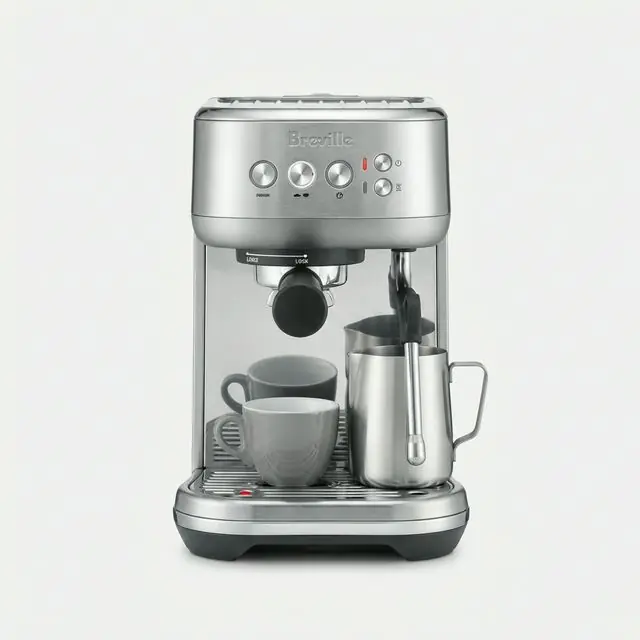
Breville Bambino Plus Review (2026): The Best Small Machine for Decaf Espresso?
A decaf-first look at the compact Breville Bambino Plus: why the 3-second heat-up makes it the best small espresso machine for evening decaf drinkers.
Read MoreGaggia Classic Pro Decaf Settings: Dose, Grind & Temp Guide
Decaf runs fast and punishes sloppy temperature on a single-boiler machine. Here are our exact Gaggia Classic Pro decaf settings: dose, yield, grind direction, and a temp-surfing routine that actually repeats.
Read More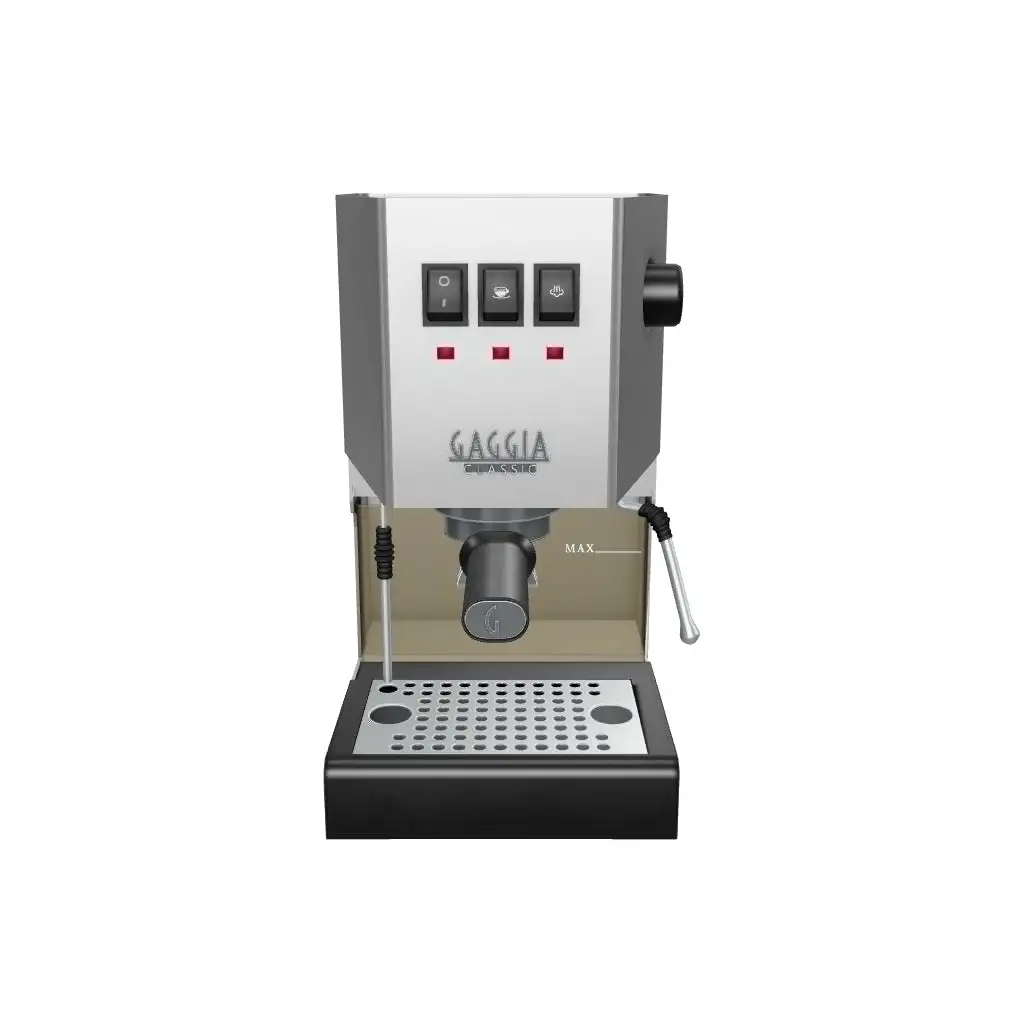
Gaggia Classic Pro Review (2026)
An Italian icon updated for 2026. Marcus Vane reviews the Gaggia Classic Pro (RI9380/47) to see why it remains the favorite of the enthusiast community.
Read MoreEnjoyed this article?
Follow us for more practical espresso and decaf insights delivered to your inbox.