As an Amazon Associate I earn from qualifying purchases. Buying through our links costs you nothing extra and helps support independent reviews.
Best Espresso Grinders 2026:
Decaf, Single-Dose, and Home Picks
Most beginners spend too much on their machine and too little on their grinder. This hub compares the best espresso grinders for decaf switching, single-dose workflow, Niche vs DF64 decisions, under-$500 budgets, and machine pairings. We believe the grinder is 70% of the equation — a finding supported by the Specialty Coffee Association's research on extraction uniformity. For puck prep after grinding, see our espresso tamper guide.
Start Here
Pick the grinder before you pick the upgrade path
The right espresso grinder depends on budget, burr style, workflow, and the machine beside it. A manual grinder like the 1Zpresso JX-Pro makes sense under $200. The DF64 Gen 2 is the flat-burr value choice for clarity and burr upgrades. The Niche Zero remains the quiet workflow pick for medium roasts, milk drinks, and tidy counters.
Budget first
Compare the best espresso grinders under $500, including the JX-Pro, DF64, Niche, and Eureka options.
Niche vs DF64
Choose Niche for workflow and body, or DF64 for clarity, value, and future burr upgrades.
Beginner setup
Build a balanced espresso station without overspending on the machine before the grinder.
Machine pairing
Pair a grinder with machines like the Breville Bambino, Gaggia Classic, or AMZCHEF 20-Bar.
Fast recommendations
- Under $200: choose a manual 1Zpresso before a weak electric grinder.
- $400-$500: DF64 Gen 2 if you want flat-burr clarity and tinkering.
- Quiet workflow: Niche Zero if the morning routine matters most.
- Decaf drinkers: single-dose grinders make switching beans easier with less stale retention.
Grinder Comparison
Niche Zero
DF64 Gen 2
1Zpresso JX-Pro
Affiliate link
Affiliate link
Our Top Recommendations
From budget-friendly manual grinders to pro-tier electric single-dosers.
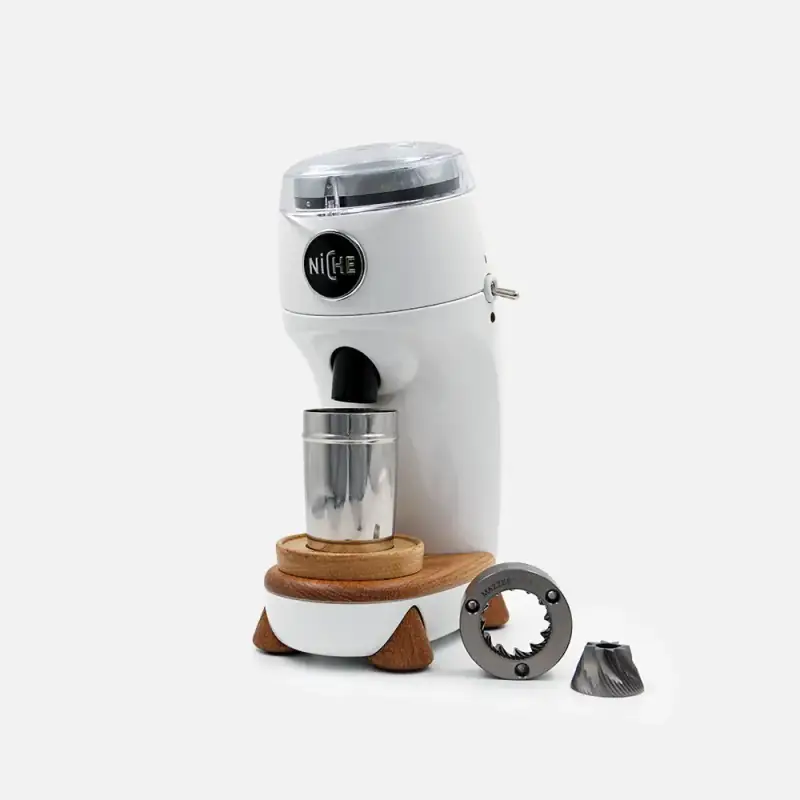
Niche Zero
Premium
A premium conical burr grinder built for barista-quality coffee at home. The Niche Zero emphasizes precision, freshness, and control with a single-dose workflow.
- •Conical burr espresso focus
- •Clean single-dose workflow
As an Amazon Associate I earn from qualifying purchases. Buying through this link costs you nothing extra.
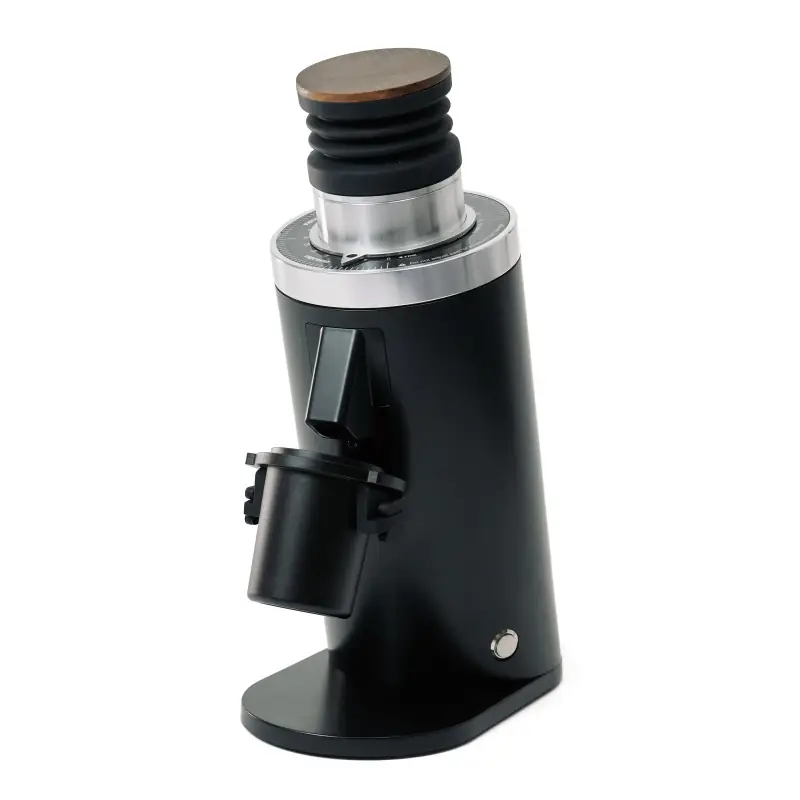
DF64 Gen 2
Mid-Range
A single-dose flat-burr grinder that pairs 64mm burrs with a plasma generator for lower static. The stepless dial and low-retention design make it ideal for espresso and filter.
- •64mm flat burrs
- •Plasma generator for static control
As an Amazon Associate I earn from qualifying purchases. Buying through this link costs you nothing extra.
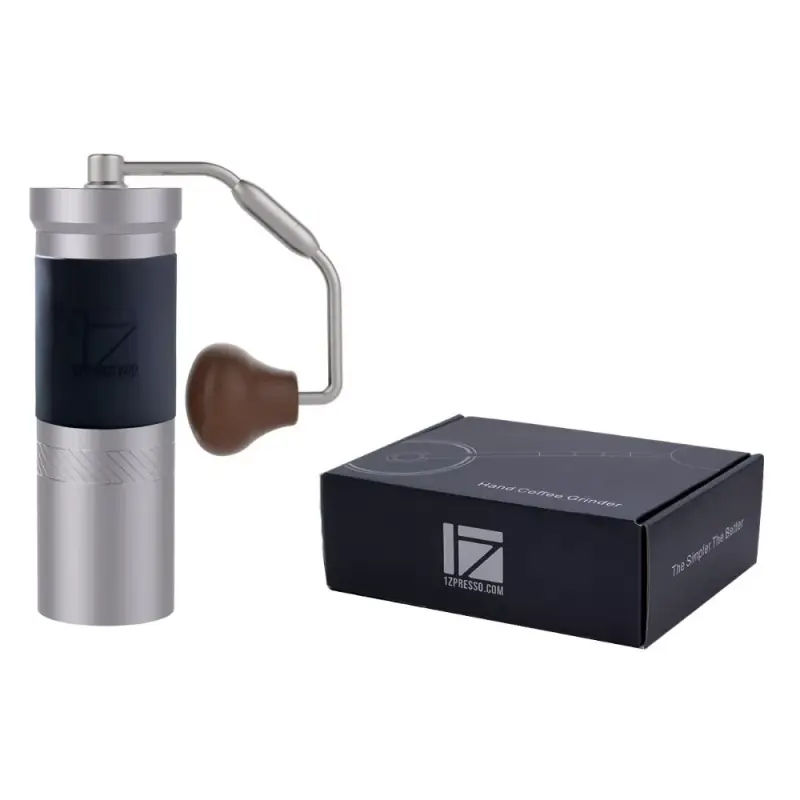
1Zpresso JX-Pro
Budget
A manual espresso grinder with a large capacity and an external adjustment ring. Built for travel and precision without electricity.
- •Manual espresso control
- •Travel-friendly build
As an Amazon Associate I earn from qualifying purchases. Buying through this link costs you nothing extra.
Flat vs. Conical Burrs:
Which do you need?
F Flat Burrs
Designed for clarity and sweetness. These burrs produce a very uniform particle size, making them ideal for light roasts and those who want to taste distinct flavor notes.
- High Clarity
- Better for Modern Espresso
- Stepless precision
C Conical Burrs
The traditional choice for body and texture. These produce a "bimodal" distribution of particles, which creates a thicker, more traditional syrupy mouthfeel.
- Syrupy Body
- Forgiving Dial-in
- Quiet operation
Why single dose?
Single-dosing is the practice of weighing only the beans you need for a single shot, rather than keeping them in a hopper. It's the gold standard for home enthusiasts.
Stay Fresh
Beans don't sit in a plastic hopper oxidizing and getting stale.
Zero Retention
Modern grinders ensure every gram in is a gram out—no old grounds.
Switch Easily
Go from decaf to regular in seconds without purging half a bag.
Looking for more grinder guides?
Frequently Asked Questions
What type of grinder is best for espresso?
A burr grinder is essential for espresso. Unlike blade grinders, burr grinders produce a consistent particle size that allows you to dial in your extraction precisely. For home espresso, a single-dose burr grinder (either flat or conical) is the gold standard.
Do I need a conical or flat burr grinder?
Conical burrs produce a bimodal grind that creates a thicker, more traditional espresso with syrupy body — they are also quieter and more forgiving. Flat burrs produce a unimodal grind for higher clarity and sweetness, ideal for light roasts and modern espresso styles. Most home baristas are happy with either.
How much should I spend on an espresso grinder?
Budget at least $150 for a quality manual burr grinder like the 1Zpresso JX-Pro, or $400-$700 for an electric single-dose grinder. Your grinder is roughly 70% of the espresso quality equation, so it is worth investing more in the grinder than the machine.
How often should I clean my coffee grinder?
Clean your grinder every 2-4 weeks if you use it daily. Remove old grounds from the burr chamber and use grinder cleaning tablets monthly. Oily dark-roast residue builds up faster, so increase frequency if you grind dark roasts regularly.
Can I use a blade grinder for espresso?
We strongly advise against it. Blade grinders chop beans unevenly, producing a mix of dust and boulders that causes channeling and uneven extraction. The result is a sour-and-bitter shot that no amount of technique can fix. A burr grinder is the single most important upgrade for espresso quality.