How to Dial In Decaf Espresso: The Definitive Guide
As an Amazon Associate I earn from qualifying purchases.
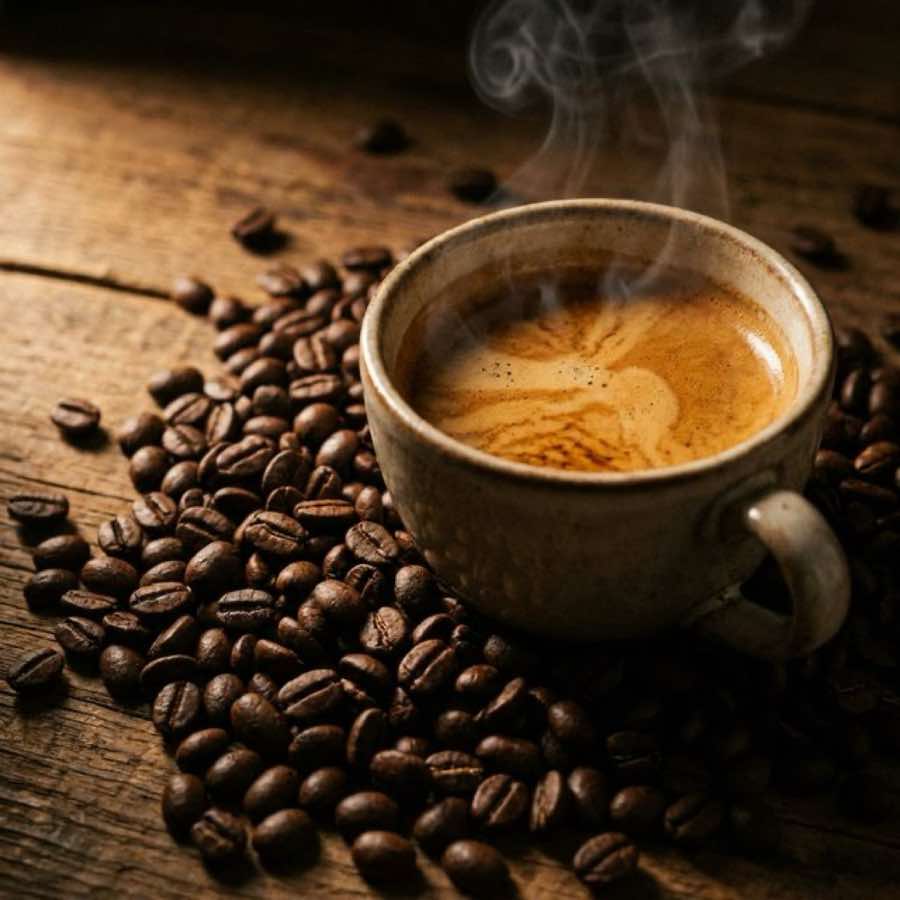
To dial in decaf espresso, grind noticeably finer than you would for regular beans, expect shots to run faster, and start from a 1:2 ratio (18g in, 36g out in 25–30 seconds), adjusting one variable at a time. Decaf isn't harder than regular espresso, it's just different, and once you understand why the beans behave the way they do, the dialing process becomes completely predictable. This guide is our master reference: the universal framework, a troubleshooting table, machine-specific starting points, and links to every deep-dive we've written.
Decaf dialing at a glance
| Variable | Regular espresso habit | Decaf adjustment |
|---|---|---|
| Grind | Your usual setting | 2–3 steps finer |
| Dose | 18g (typical) | 18g, same basket |
| Ratio | 1:2 | 1:2 to start, up to 1:2.5 |
| Shot time | 25–30s | Same target, but expect to chase it |
| Temperature | 92–93°C | 93–95°C if your machine allows |
| Crema | Thick, persistent | Thinner, fades faster — that's normal |
| Freshness window | Weeks | Shorter — buy small, buy often |
If you only remember one thing from this table, make it the grind row. Nearly every decaf frustration we hear about traces back to using a caffeinated grind setting on decaffeinated beans.
Why decaf behaves differently in the portafilter
Every decaffeination method, whether Swiss Water, sugarcane EA, or CO2, involves soaking and processing green coffee before it's roasted. That extra handling changes the physical structure of the bean in ways you can feel the moment you grind it.
Processed decaf beans are more brittle and less dense than their caffeinated counterparts. They're also more porous, since the cell structure has been opened up to let the caffeine out. Three practical consequences follow from this, and they explain almost everything about decaf espresso behavior.
More fines. Brittle beans shatter rather than fracture cleanly in the grinder, producing a wider spread of particle sizes at any given setting. The grind feels finer and fluffier in the dosing cup, and it clumps more readily.
Faster flow. Despite the extra fines, the overall puck offers less resistance because the particles themselves are lighter and more porous. Water moves through faster, which is why your decaf shot gushes at a setting that produced a perfect 28-second pour with regular beans.
Thinner crema. The compounds that build and stabilize crema are partly stripped or altered during processing, so even a perfectly dialed decaf shot wears a thinner, paler cap that dissipates sooner. This is cosmetic, not a flaw in your technique, and it's worth internalizing early so you don't chase crema with grind changes the shot doesn't need.
The fluffy, clumpy grind also makes decaf pucks more prone to channeling. A quick distribution routine pays off more with decaf than with regular beans; our WDT and puck prep guide covers the full routine in two minutes flat.
The universal decaf dialing framework
Whatever machine you own, the process is the same: lock in a starting recipe, pull a shot, taste it, change exactly one variable, and repeat. Here are our recommended starting points for dialing in — treat them as a launchpad, not gospel, because every bean and machine combination lands a little differently.
| Bean style | Dose (g) | Yield (g) | Time (s) | Temp |
|---|---|---|---|---|
| Medium roast decaf | 18 | 36 | 25–30 | 93°C / 199°F |
| Dark roast decaf | 18 | 36 | 24–28 | 91–92°C / 196–198°F |
| Light roast decaf | 18 | 40 | 28–32 | 94–95°C / 201–203°F |
| Sugarcane EA decaf | 18 | 36–40 | 26–30 | 93°C / 199°F |
A few notes on why these numbers look the way they do. Darker decafs are even more brittle than medium roasts, so they extract readily and turn bitter fast; a slightly cooler temperature keeps them sweet. Lighter decafs need help in the other direction: more heat and a longer ratio coax out sweetness that would otherwise read as sour. Sugarcane EA decafs carry fruity, winey notes that open up nicely with a touch more yield.
The adjust-one-variable loop
Once you've pulled your first shot against the starting recipe, run this loop:
- Taste first, look second. Shot time matters, but your tongue is the instrument. Sour and sharp means under-extracted; bitter and drying means over-extracted.
- If the shot ran fast and tastes sour, grind finer. This is the move you'll make most often with decaf. Tighten one step at a time.
- If the shot ran slow and tastes bitter or hollow, grind coarser. Less common with decaf, but it happens with very fresh or very light beans.
- Once time is in range, tune by ratio. Woody or muddy? Extend toward 1:2.2 or 1:2.5. Thin or watery? Pull back toward 1:1.8.
- Use temperature as the final polish. A degree up adds sweetness and body; a degree down tames bitterness. Only machines with temperature control get this lever, and that's fine — grind and ratio do most of the work.
Change one thing per shot. Decaf punishes shotgun adjustments because its fast flow exaggerates every change, and you'll lose track of which tweak did what.
Weighing both your dose and your yield is non-negotiable here. Eyeballing volume doesn't work when crema is thin and inconsistent, which is exactly the decaf situation. Any 0.1g scale will do the job, though a dedicated espresso scale like the Acaia Lunar fits the drip tray, auto-starts its timer, and makes the dose-yield-time loop nearly thoughtless.
One more decaf-specific habit: purge a few grams when you switch from regular to decaf beans in a single-dosing grinder, and re-check your dose. The fluffier decaf grind can throw retention off by half a gram, which is enough to skew your ratio.
Troubleshooting decaf espresso, symptom by symptom
Bookmark this table. It covers the five complaints that account for nearly every decaf email we get.
| Symptom | Likely cause | Fix |
|---|---|---|
| Shot gushes out in under 20 seconds | Grind too coarse for brittle, porous decaf | Grind 2–3 steps finer; confirm dose with a scale |
| Sour, sharp, lemony | Under-extraction | Grind finer first; then extend yield to 1:2.2+; then raise temp 1°C |
| Bitter, ashy, drying | Over-extraction (common with dark decafs) | Grind 1 step coarser, shorten yield toward 1:1.8, or drop temp 1–2°C |
| Little or no crema | Stale beans, or just decaf being decaf | Buy fresher beans roasted within 2–3 weeks; accept that decaf crema is thinner even when perfect |
| Spritzers, dead spots, uneven flow | Channeling through a fluffy, clumpy puck | Full WDT, level tamp, consider a lower dose; see our puck prep guide |
Two patterns are worth calling out. First, the gushing shot and the sour shot are usually the same problem wearing two hats — fix the grind and both disappear. Second, channeling is sneakier with decaf because the shot can hit a respectable total time while still extracting unevenly. If your shots taste simultaneously sour and bitter, suspect channeling before you suspect your recipe.
Per-machine quick-start settings
The framework above works everywhere, but every machine has its quirks. Here's where to start on the most common home setups, with links to our full dial-in guides where we have them.
Breville Bambino Plus
The Bambino Plus is probably the most common first decaf machine, and its low-pressure pre-infusion is genuinely helpful for fragile decaf pucks. Use the pressurized basket only if your grinder can't go fine enough; otherwise run the single-wall basket at 18g and lean on pre-infusion to even out the extraction. We've written up exact settings, baskets, and workflow in our Breville Bambino decaf settings guide.
Gaggia Classic Pro
The Gaggia Classic Pro has no PID out of the box, so temperature surfing matters more with decaf than usual — flush, then count a consistent interval before locking in, every single shot. Decaf's need for slightly higher temperatures actually plays in the Gaggia's favor if you pull shortly after the brew light cycles. Full routine, including the 9-bar spring mod question, lives in our Gaggia Classic Pro decaf settings guide.
Rancilio Silvia Pro X
One-line tip: set the PID to 94°C for medium decafs and use the programmable pre-infusion (3 seconds on, 3 off) to tame channeling — the Pro X's stable brew boiler makes the temperature lever truly usable for decaf.
Super-automatics
One-line tip: set the machine's grinder one or two notches finer for decaf, choose the strongest brew setting, and run the smallest volume your machine offers, since super-automatics can't change ratio any other way. If you're still choosing a machine, our espresso machine hub compares every category through a decaf-first lens.
Choosing a grinder that handles decaf well
Your grinder matters more than your machine for decaf. Because brittle beans produce more fines, a grinder with a tight, consistent particle distribution and fine-grained adjustment steps gives you far more control exactly where decaf needs it.
Single-dosing grinders are particularly well suited to decaf households, since most of us run decaf alongside regular beans and need to switch without wasting half a hopper. The Niche Zero has been our reference single-doser for years: near-zero retention means your 18g of decaf in is 18g out, and its stepless-feeling adjustment makes those small decaf corrections easy. Flat-burr alternatives trade a little workflow convenience for more clarity in the cup, which suits fruity sugarcane decafs especially well. We break the whole decision down in our Niche Zero vs DF64 Gen 2 comparison, including how each handles decaf's extra fines.
Whatever you buy, prioritize small adjustment increments. Decaf lives in a narrower grind window than regular espresso, and a grinder that jumps in big steps will have you bouncing between gushing and choking with nothing usable in between.
Bean freshness and choosing the right decaf
No recipe rescues stale decaf. Processed beans tend to fade faster than regular coffee, so the freshness window is shorter: we aim to finish a bag within four to five weeks of roast, and we buy in smaller quantities than we would for caffeinated beans. Look for a printed roast date, not a best-by date, and give very fresh bags five to seven days of rest before judging them — gassy beans dial in erratically.
The processing method shapes the cup more than most people expect. Swiss Water decafs are water-processed and chemical-free, with producers claiming 99.9% caffeine removal, and they tend toward clean, balanced profiles. Sugarcane EA decafs, common from Colombia, carry distinctive fruity, winey notes from the ethyl acetate process. CO2 decafs, popular with larger producers, do a good job preserving origin character. We compare all three in depth in our Swiss Water vs EA vs CO2 explainer, and if you just want a shortlist of bags that pull beautifully as espresso, start with our best decaf espresso beans roundup — every pick there was dialed in using exactly the framework on this page.
One caffeine note for the curious: under the FDA's ~97% removal convention, a typical decaf espresso shot lands around 2–8 mg of caffeine versus roughly 60–75 mg for regular, per published analyses. Decaf espresso is genuinely an any-hour drink.
Pulling it all together
Dialing in decaf comes down to respecting three facts: the beans are brittle, the shots run fast, and the crema will always be modest. Grind finer than feels natural, start at 1:2 and 93°C, weigh everything, and change one variable per shot. Within three or four shots you'll be inside the window; within a bag you'll have a recipe you can repeat every morning — or every evening, which is rather the point of decaf.
When something drifts, come back to the troubleshooting table, and when you're ready to go deeper on your specific setup, the machine and grinder guides linked above pick up exactly where this page leaves off. Sweet, syrupy decaf espresso isn't a compromise. It's just a slightly different dial-in, and now you have the map.
Frequently Asked Questions
Why does decaf espresso run so fast?
Decaffeination makes beans more brittle and porous, so they offer less resistance to water in the puck. The same grind setting that gives a 28-second shot with regular beans can gush through in 15 seconds with decaf. Grinding noticeably finer is the standard fix.
Do I need to grind finer for decaf espresso?
Yes, almost always. Because processed decaf beans are less dense, plan on tightening your grind two to three steps finer than you would use for a regular bean of the same roast level, then adjust from there by taste and shot time.
What ratio should I use for decaf espresso?
Start at a classic 1:2 ratio, such as 18 grams in and 36 grams out. Many decafs taste sweeter and less woody when pushed slightly longer, so if the shot tastes muddy or earthy, try extending to 1:2.2 or 1:2.5.
Why is my decaf espresso sour or bitter?
Sour, sharp shots are usually under-extracted: grind finer, extend the yield, or raise the brew temperature slightly. Bitter, ashy shots are usually over-extracted: grind coarser, shorten the yield, or lower the temperature. Change one variable at a time so you can tell what helped.
Does decaf produce less crema than regular espresso?
Yes, decaf crema is typically thinner and fades faster. The decaffeination process strips some of the compounds that stabilize crema, and decaf often goes flat sooner after roast. Fresh beans and a fine, even grind give you the best crema decaf can offer.
Best Decaf Espresso Editorial Team
Research-based reviewsWe research every machine, grinder and bean from manufacturer specs, manuals and long-term owner reports, and we read them with decaf in mind. We don't run in-house tests.
You Might Also Like
Decaf Espresso With No Crema? Here Is Why (And the Fix)
Your decaf shot gushes in 12 seconds with thin, pale crema. Nothing is broken. Decaffeination changes the bean's structure, and here is exactly how to compensate.
Read More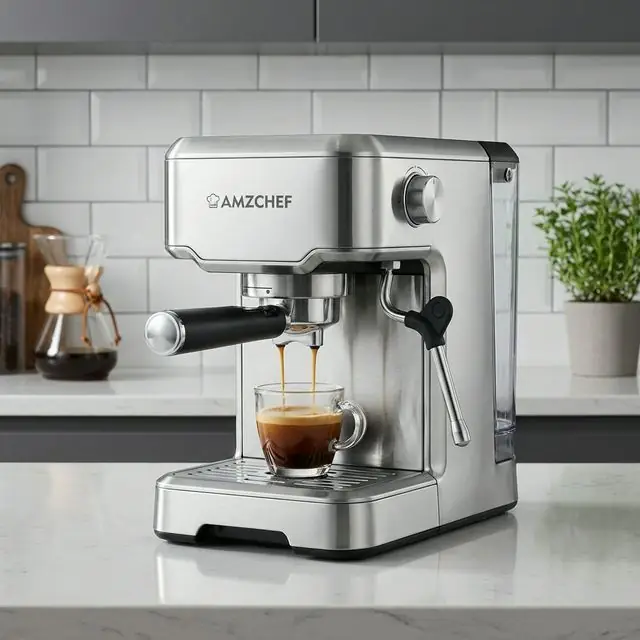
Is a 20 Bar Espresso Machine Good?
Espresso extracts at about 9 bars at the puck, so what does a 20-bar rating actually buy you? Here is what the number really measures, why marketing loves it, and what to look at instead.
Read More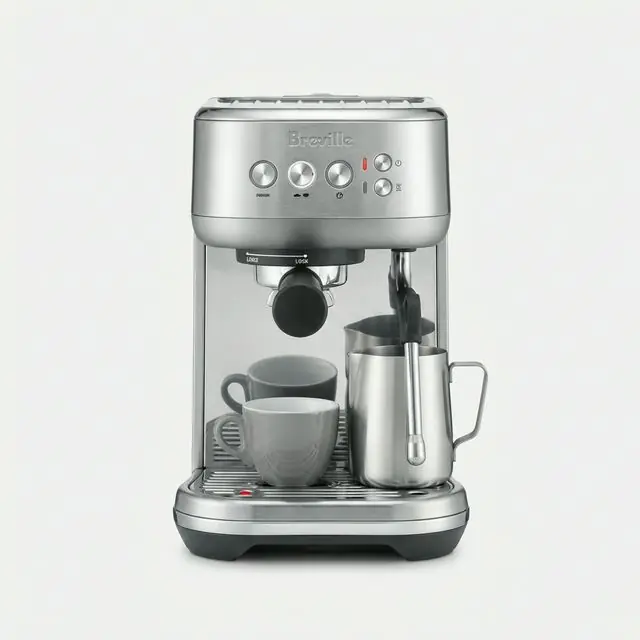
Best Espresso Machine for Decaf (2026)
Decaf is the hardest bean type to dial in. We ranked the espresso machines that make it easy, and explain the three features that actually matter for decaf.
Read MoreEnjoyed this article?
Follow us for more practical espresso and decaf insights delivered to your inbox.