Best Decaf Espresso Beans: 7 Ranked Picks for 2026
As an Amazon Associate I earn from qualifying purchases.
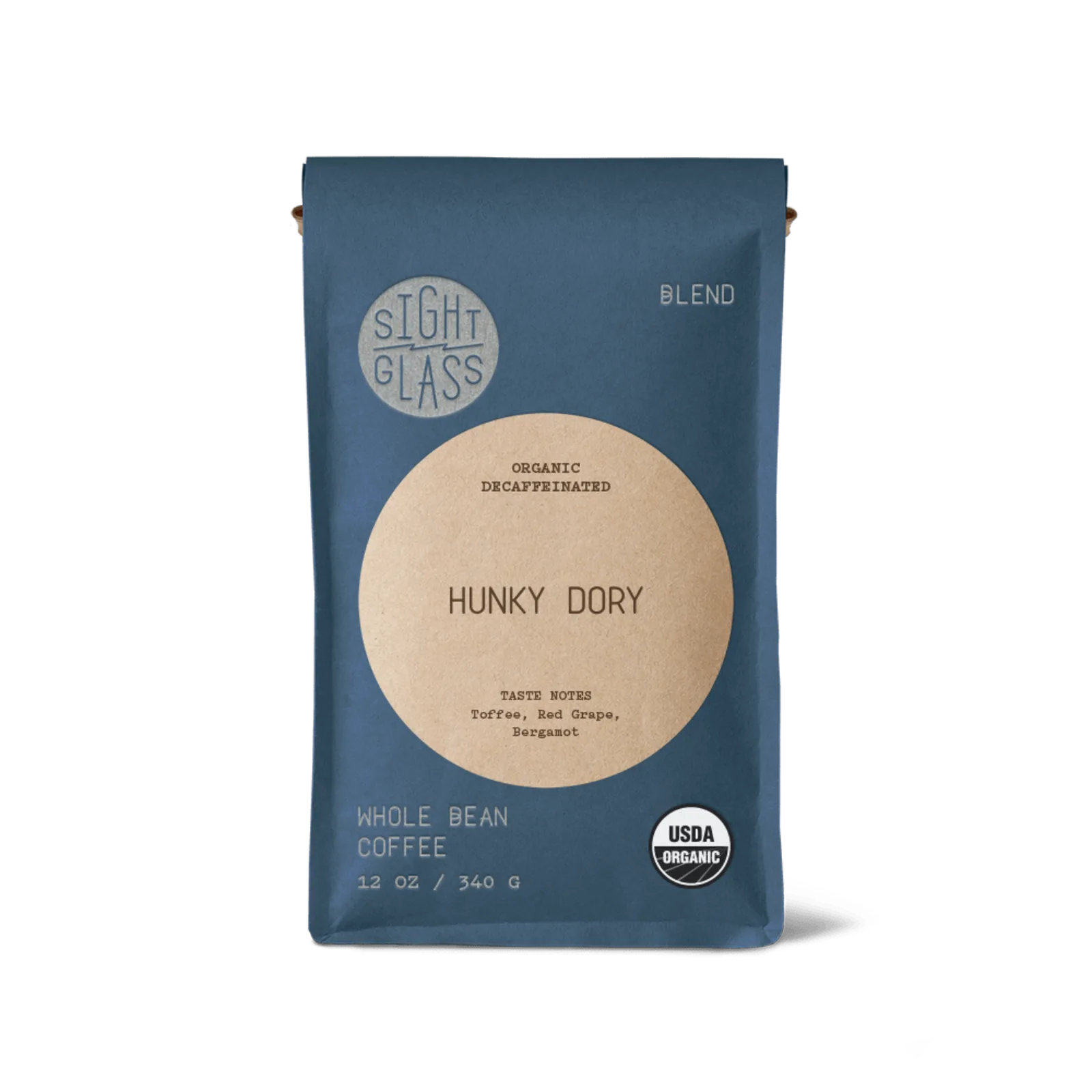
The best decaf espresso bean you can buy in 2026 is Sightglass Hunky Dory Decaf, a Swiss Water medium roast that pulls a syrupy, toffee-sweet shot with real crema and zero processing aftertaste. If your last decaf experience tasted like burnt rubber or wet cardboard, the category has genuinely changed. Specialty roasters now treat decaf with the same care as their flagship blends, and the gap between a great decaf shot and a great regular shot has shrunk to almost nothing.
We ranked all seven on the things that matter for espresso: crema, sweetness, process transparency, and how predictably each bean behaves in the grinder. Below you'll find every pick with the decaffeination process labeled, espresso-specific tasting notes, and a starting recipe so you can dial in faster.
Quick comparison: every bean we recommend
| Bean | Process | Roast | Best for |
|---|---|---|---|
| Sightglass Hunky Dory Decaf | Swiss Water | Medium | Best overall |
| Onyx Coffee Lab Decaf Monarch | Swiss Water | Medium-Dark | Milk drinks |
| Stumptown Trapper Creek | Swiss Water | Medium | Everyday drinker |
| Counter Culture Decaf Colombia | Sugarcane EA | Medium-Light | Fruity straight shots |
| Intelligentsia Night Owl | Swiss Water | Medium-Dark | Dark roast lovers |
| Verve Decaf Huila | Swiss Water | Light-Medium | Light roast fans |
| Kicking Horse Swiss Water Decaf | Swiss Water | Dark | Budget pick |
The 7 best decaf espresso beans, ranked
Every recipe below is a recommended starting point for dialing in, not a fixed rule. Decaf runs faster than regular coffee at the same grind setting, so expect to tighten your grind from wherever your regular beans sit. Our guide to dialing in decaf espresso walks through the full process if you're new to it.
1. Sightglass Hunky Dory Decaf — best overall
Process: Swiss Water (chemical-free)
This is the bean that makes the strongest case that decaf can taste as good as regular. As espresso, Hunky Dory pours syrupy and medium-full with toffee up front, red grape acidity through the middle, and a bergamot lift on the finish. The caramel sweetness lingers in a way most decafs simply can't manage, and its crema is consistently praised as thicker and longer-lasting than a decaf has any right to be.
What makes it special is the roast philosophy. Most decafs lean dark and oily to mask processing flavors. Hunky Dory is a true medium espresso roast that trusts the Swiss Water Process to do its job, and the result is a shot with actual complexity. It holds its character in milk too, though we think it's at its best as a straight shot or small cortado.
Who it suits: Anyone who wants their decaf to taste like specialty coffee, full stop. It's pricier than the rest of this list and sells out regularly, but it remains our gold standard.
Starting recipe: 18g in, 32g out, 26–30 seconds. That tighter 1:1.75 ratio maximizes body and sweetness in decaf.
2. Onyx Coffee Lab Decaf Monarch — best for milk drinks
Process: Swiss Water
The Onyx Decaf Monarch is a rich, deliberately chocolatey espresso built to cut through milk. Straight, it pulls dark chocolate and dried berry with a heavy, rounded body. In a flat white or latte, it does something most decafs can't: it stays present. The chocolate base punches through steamed milk instead of disappearing into it.
Onyx is also one of the most transparent roasters in the business, printing roast dates clearly and shipping fast, which matters more for decaf than almost any other category. If your daily drink involves a steam wand, this is the bean we'd hand you first.
Who it suits: Latte and cappuccino drinkers, and anyone who wants a classic, comforting profile without the caffeine.
Starting recipe: 18g in, 34g out, 28–32 seconds. The slightly longer ratio keeps the chocolate from turning muddy under milk.
3. Stumptown Trapper Creek — best everyday decaf
Process: Swiss Water
Trapper Creek, the decaf sibling of Stumptown's famous Hair Bender, is the bean we keep in the pantry. It's chocolate and mild citrus, medium roast, and remarkably forgiving. Where some beans on this list punish a sloppy grind setting with sour or hollow shots, Trapper Creek stays drinkable across a wide window.
It's also widely available, both online and in grocery stores in many regions, which makes it easy to keep a fresh bag in rotation. Owners pull it on everything from flow-controlled prosumer machines to entry-level single boilers, and it has a reputation for behaving itself everywhere.
Who it suits: Daily drinkers, beginners still learning to dial in, and anyone running a super-automatic that needs a consistent, forgiving bean.
Starting recipe: 18g in, 36g out, 25–30 seconds. A standard 1:2 ratio works here; tighten toward 1:1.8 if shots taste thin.
4. Counter Culture Decaf Colombia — best fruity profile
Process: Sugarcane EA (ethyl acetate from sugarcane fermentation)
The only non-Swiss-Water pick on our list, and it earns its place precisely because of the process. Sugarcane EA decaffeination, common in Colombian decafs, leaves a signature fruity, lightly winey character that this bean wears beautifully. Expect caramel sweetness, stone fruit acidity, and a juicy quality that's rare in any decaf.
As espresso it's brighter than everything above it, so it rewards a careful dial-in. It also doubles as an excellent pour over, which makes it a smart pick if espresso is only part of your brewing routine.
Who it suits: Drinkers who prefer lighter, fruit-forward shots, and anyone curious what sugarcane EA processing tastes like compared to Swiss Water.
Starting recipe: 18g in, 38g out, 28–32 seconds. The longer 1:2.1 ratio opens up the fruit; pull shorter if acidity dominates.
5. Intelligentsia Night Owl — best for traditional dark profiles
Process: Swiss Water
Night Owl is for people who want decaf espresso to taste the way espresso tasted in their favorite café twenty years ago: cocoa, dried cherry, low acidity, long comforting finish. It's a medium-dark roast with real body, and it produces a stable, attractive crema for a decaf.
It's slightly less sweet than the Monarch in milk, but as a straight evening shot or an americano it's deeply satisfying. The brittleness that comes with darker decaf roasts means it grinds fast and fine, so watch for shots that gush; you'll likely end up several steps finer than you expect.
Who it suits: Dark roast loyalists and after-dinner espresso drinkers.
Starting recipe: 17g in, 30g out, 24–28 seconds. Darker roasts extract easily; the shorter ratio keeps bitterness in check.
6. Verve Decaf Huila — best light roast
Process: Swiss Water
The lightest bean on this list and the most delicate. Verve's Decaf Huila highlights honey and fig notes with a tea-like clarity that's genuinely impressive for a decaf. As a straight shot it's elegant and clean, with the kind of gentle sweetness that rewards slowing down and actually tasting your coffee.
The trade-off is that light decaf is the hardest category to dial in. The dense-feeling, lightly developed roast combined with decaf's brittle structure means your grinder matters here more than anywhere else on this list. A quality single dosing grinder makes a real difference; our Niche Zero vs DF64 Gen 2 comparison covers the two we'd pair with it.
Who it suits: Light roast fans, straight-shot drinkers, and anyone with a capable grinder who enjoys the dialing-in process.
Starting recipe: 18g in, 40g out, 30–34 seconds. Light roasts want the longer 1:2.2 ratio and benefit from a slightly hotter brew temperature.
7. Kicking Horse Swiss Water Decaf — best budget
Process: Swiss Water
Not every shot needs to be a tasting flight. Kicking Horse's Swiss Water decaf is available at most grocery stores, costs significantly less than anything else here, and pulls a smoky, bold, dark-roast shot that works especially well for people transitioning from dark roast regular coffee.
It won't win on nuance, and because it's grocery-channel coffee the roast date is often weeks old by the time you buy it, so check the bag. But for milk drinks on a budget, or for stocking a second "guest decaf" without guilt, it's an easy recommendation.
Who it suits: Budget-focused buyers, dark roast drinkers, and big-batch milk drink households.
Starting recipe: 17g in, 30g out, 22–26 seconds. Older, darker beans run fast and bitter; grind fine and keep the ratio short.
How we evaluate decaf beans
Every bean on this list is judged against the same espresso-focused criteria. These are the ones we weight, in rough order of importance:
Decaffeination process. We strongly favor Swiss Water and sugarcane EA processed beans, both for flavor and because process transparency usually correlates with overall quality. If a roaster won't tell you how the caffeine came out, that's a red flag.
Roast date transparency. Decaf's freshness window is shorter than regular coffee, so a printed roast date is non-negotiable for our top picks. "Best by" dates and vague batch codes cost a bean ranking positions.
Behavior in the grinder. Decaf beans are more brittle and less dense after processing, which means they grind finer-feeling and throw more fines. We weight how predictable each bean is to dial: does a small grind adjustment produce a proportional change in shot time, or does it lurch from gushing to choking?
Crema. Decaf crema is naturally thinner, but the best beans still build a respectable layer that lasts through the first few sips. We rank crema on process, roast level, and the consensus of owner reports at comparable freshness.
Sweetness in the cup. The single biggest tell of a well-processed, well-roasted decaf is sweetness. Harsh, hollow, or papery shots indicate the processing or roasting stripped the sugars, and no recipe tweaking fully rescues that.
We revisit these rankings as roasters update their offerings.
Swiss Water vs sugarcane EA vs CO2: which process matters for espresso?
You'll see three decaffeination methods on specialty decaf bags, and they genuinely taste different in the cup. Here's the short version; our full Swiss Water vs EA vs CO2 breakdown goes deeper.
Swiss Water is a water-based, chemical-free process that claims 99.9% caffeine removal. It's the dominant method in specialty decaf because it's gentle on the bean and produces clean, predictable espresso. Six of our seven picks use it.
Sugarcane EA uses ethyl acetate derived from sugarcane fermentation, and it's especially common in Colombian decafs. It leaves a distinctive fruity, winey signature that some drinkers love and others find unusual. Our Counter Culture pick is a benchmark espresso example of the style.
CO2 processing uses supercritical carbon dioxide and tends to preserve origin character well. It's used mostly by larger producers, which is why it's less common on specialty single-origin bags, but a CO2 decaf from a good roaster is nothing to avoid.
Whichever process you choose, the result is the same on the caffeine front: per FDA guidance, roughly 97% of the caffeine is removed, leaving a typical decaf shot around 2–8 mg versus 60–75 mg for regular. We break down the numbers in our guide to how much caffeine is in decaf espresso.
Buying advice: freshness matters more for decaf
A few rules will save you from mediocre shots regardless of which bean you pick:
Buy from roasters who print roast dates. Not "best by" dates. Decaf degasses faster than regular coffee because the processing leaves the bean more porous, and stale decaf loses crema and sweetness quickly.
Use your beans within about three weeks of roast. Regular espresso beans often stay good for a month or more; decaf's window is meaningfully shorter. Plan your purchases accordingly.
Buy smaller bags, more often. A 5 lb bag of decaf is false economy unless you're pulling many shots a day. Two smaller bags ordered a few weeks apart will taste better than one big bag stretched over two months. A decaf-friendly coffee subscription automates this nicely.
Rest, then drink. Give freshly roasted decaf about 5–7 days off roast before judging it, then enjoy your peak window. Very fresh decaf can pull inconsistently while it degasses.
If you want to compare these picks against everything else we've tested, our full decaf bean reviews hub is the place to browse.
As an Amazon Associate I earn from qualifying purchases. Buying through this link costs you nothing extra.
The bottom line
Sightglass Hunky Dory Decaf is the bean we'd buy if we could only pick one: a genuine specialty espresso experience with no caffeine and no compromise. For milk drinks, grab the Onyx Decaf Monarch; for an everyday workhorse, Stumptown Trapper Creek; and if budget is the priority, Kicking Horse covers the basics for less.
Whichever you choose, buy fresh, grind finer than you think you need to, and give yourself a few shots to dial in. Modern decaf has earned a permanent place at the specialty table, and once you taste a properly pulled shot of any of these, we suspect it'll earn one in your hopper too.
Elara Stone
Decaf Advocate & Lead CupperElara is on a mission to prove that decaf espresso can rival any caffeinated shot. With a background in chemistry, she focuses on decaffeination processes and roast profiles that preserve sweetness.
You Might Also Like
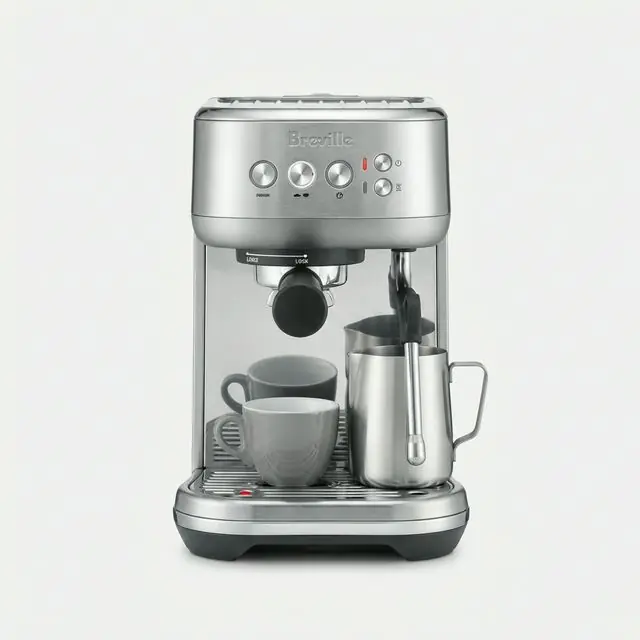
Breville Bambino Plus Review (2026): The Best Small Machine for Decaf Espresso?
A decaf-first look at the compact Breville Bambino Plus: why the 3-second heat-up makes it the best small espresso machine for evening decaf drinkers.
Read MoreWhy Is Decaf Coffee So Expensive Now? (2026)
Decaf now costs as much as the good stuff, and bags keep shrinking. Four structural causes explain it, none of them are your roaster gouging you, and one is easing in 2027.
Read MoreIs Decaf Coffee Safe? The Methylene Chloride Question in 2026
The FDA closed comments on the decaf solvent petition on 29 June 2026 and has not ruled. Here is what is actually true about methylene chloride, and how to buy decaf that never touches it.
Read MoreEnjoyed this article?
Follow us for more practical espresso and decaf insights delivered to your inbox.