Why Is Decaf Coffee So Expensive Now? (2026)
As an Amazon Associate I earn from qualifying purchases.
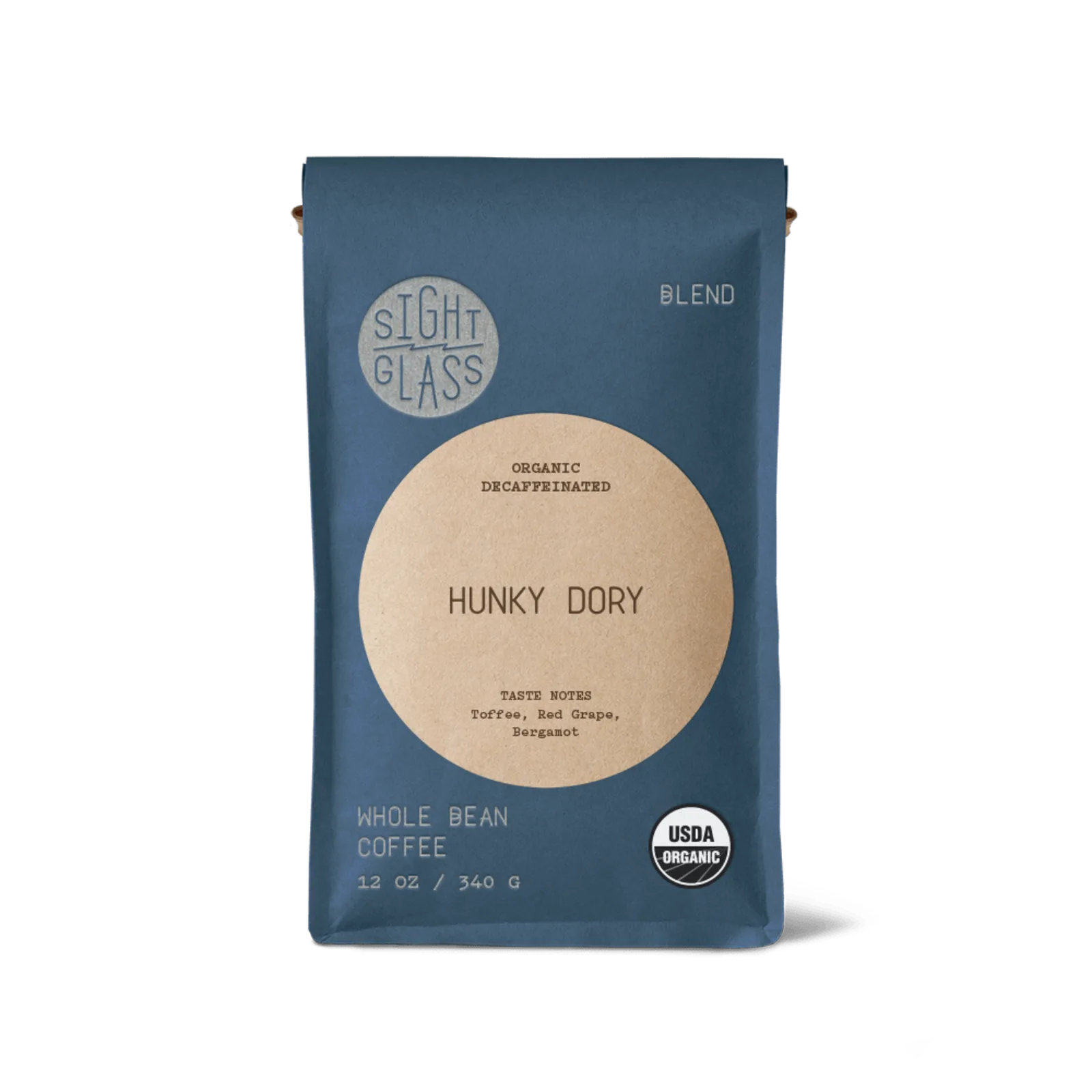
If you have bought decaf in the past year, you have noticed two things: the price went up, and the bag got smaller.
This is not your roaster being opportunistic. Decaf has its own supply chain with its own chokepoints, and several of them tightened at once. Here is what actually happened, and what it means for how you buy.
The scale of it
Landed cost of decaffeinated green coffee peaked at roughly 330% of 2023 levels. That is not a percentage increase on the retail bag — retail absorbed some of it and hid more of it in package size — but it is the pressure your roaster has been working against.
Meanwhile the bag shrank. The specialty standard moved from 16oz to 12oz, and a meaningful share of single-origin decafs now ship at 200 to 250 grams. If you are comparing prices bag to bag, you are comparing the wrong number.
Four causes, none of them retail markup
1. There are very few decaf plants
This is the one most people do not know. Decaffeination is an industrial process that happens at dedicated facilities, and only a handful of water-process plants serve much of the world market.
Coffee does not get decaffeinated where it is grown or where it is roasted. Green coffee gets shipped to a plant, processed, and shipped onward. When demand rises faster than plant capacity — which is exactly what happened as decaf shifted from an afterthought to a specialty category — you get a queue, and queues cost money.
There is no quick fix here. Building decaffeination capacity is a capital project measured in years.
2. A Colombian processing bottleneck
Colombia is central to specialty decaf. Nine of the top twelve decafs in Coffee Review's 2026 survey were southern Colombian, and ethyl acetate processing — the sugarcane method that produces many of the best-tasting decaf espressos — is heavily concentrated there.
Processing capacity in Colombia became a constraint at exactly the moment specialty roasters were all trying to source better decaf. Concentration is efficient right up until it is not.
3. A genuinely strange tariff problem
This one is almost absurd, and it is real. Mexican green coffee routed to Germany for decaffeination lost its tariff-exempt status — and was then taxed on its compounded value, which includes the cost of the processing and the freight, not just the coffee.
So a bean gets taxed on the money spent moving and processing it. Multiply that across the many decaf lots that cross borders more than once and you have a meaningful cost layer that has nothing to do with coffee at all.
4. Regulatory uncertainty on solvents
The FDA is currently weighing a petition to revoke authorization for methylene chloride, the solvent used in European Method decaf. The comment period closed on 29 June 2026 and no decision has been issued.
The uncertainty alone shifts demand. Roasters and buyers hedging toward Swiss Water and CO2 processing put more pressure on exactly the plants that were already the bottleneck. We cover the regulatory picture in detail — including the claims about it that are flatly wrong — in is decaf coffee safe.
The good news
The International Coffee Organization projects Arabica prices down roughly 13% in 2026 and a further 5% in 2027 as global supply recovers.
That eases the input cost of the green coffee itself. It does not fix plant capacity, it does not fix the tariff routing problem, and it does not resolve the regulatory question. Expect decaf to stay structurally more expensive than caffeinated coffee — that gap is permanent — but expect the peak to be behind us.
The genuinely good news
Decaf quality has improved more in the last two years than in the previous twenty.
Coffee Review's 2026 decaf survey covered 86 samples from 60 roasters, averaged 86.3 points, and produced twelve coffees scoring 90 or above — including a 94, their highest decaf score ever recorded. This was their eighth decaf survey. The previous seven all ended in disappointment.
There is also a decaf-only micro-roaster boom underway, and James Hoffmann's Decaf Project comparative tasting kit — a single Colombian lot processed three ways — sold around 30,000 units worldwide.
So the price went up, but so did what you get for it. In 2019 expensive decaf was usually just expensive. In 2026 it is frequently excellent.
How to make expensive decaf go further
If decaf now costs what good caffeinated coffee costs, treat it that way.
Weigh everything. A gram of over-dose you did not intend is money in the drip tray. If you are not weighing in and out, you are wasting coffee on shots you throw away. See our scales guide.
Stop wasting dial-in shots. Every new bag needs re-dialing because decaf varies more between lots than caffeinated coffee does, but you can budget one or two shots instead of six by changing one variable at a time. Our decaf dial-in guide and no crema troubleshooting cover the process.
Buy smaller, buy fresher. This sounds like the opposite of saving money, but decaf's more porous structure means it loses crema potential faster than caffeinated coffee. A 12oz bag you finish in three weeks delivers more good shots than a 2lb bag half of which goes flat.
Single-dose your grinder. Retention is wasted coffee, and if you alternate decaf with caffeinated it is also cross-contamination. A single-dose grinder addresses both. Hopper grinders keep several grams of your expensive decaf permanently hostage.
Compare per ounce, always. With bag sizes drifting between 8oz, 10oz, 12oz and 16oz, the sticker price tells you almost nothing.
Do not assume cheap is a bargain. Process is the main cost driver and it tracks quality. Very cheap decaf is usually European Method, often older green coffee, and frequently roasted dark enough to hide what is underneath.
One Swiss Water decaf that is easy to find on Amazon is Kicking Horse Decaf; check its bag size on the listing before you compare prices per ounce.
As an Amazon Associate I earn from qualifying purchases.
Our current picks and what each one costs per ounce are in best decaf espresso beans, and the process comparison that explains most of the price spread is in Swiss Water vs EA vs CO2.
Sources: CoffeeGeek — Why Your Decaf Now Costs as Much as the "Good Stuff" · Coffee Review — Decaf Coffees 2026 · Sprudge — decaf-only micro-roaster boom · Daily Coffee News — FDA weighs decaf solvent rules · Swiss Water — The Decaf Project
Frequently Asked Questions
Why is decaf coffee more expensive than regular coffee?
Decaf carries every cost regular coffee does, plus an extra industrial processing step at a specialist plant, plus the freight to get green coffee to that plant and back. There are only a handful of water-process facilities serving the global market, so capacity is a genuine bottleneck rather than a pricing choice by your roaster.
Will decaf coffee prices come down?
Partially. The International Coffee Organization projects Arabica prices down roughly 13% in 2026 and a further 5% in 2027 as supply recovers. That eases the green coffee input cost, but the processing bottleneck and freight routing costs specific to decaf are structural and will not resolve on the same timeline.
Why are decaf bags getting smaller?
Shrinkflation. Rather than raise the sticker price to a level shoppers reject, roasters have moved from 16oz to 12oz, and some single-origin decafs now ship at 200-250g. Always compare price per ounce or per 100g, not price per bag.
Is cheaper decaf worse decaf?
Not automatically, but process is the main cost driver and it correlates with quality. Swiss Water and CO2 process cost more than solvent methods. Cheap decaf is usually European Method, often older green coffee, and frequently darker roasted to mask defects. Price per ounce is a rough proxy for how much care went into the lot.
Best Decaf Espresso Editorial Team
Research-based reviewsWe research every machine, grinder and bean from manufacturer specs, manuals and long-term owner reports, and we read them with decaf in mind. We don't run in-house tests.
You Might Also Like
Is Decaf Coffee Safe? The Methylene Chloride Question in 2026
The FDA closed comments on the decaf solvent petition on 29 June 2026 and has not ruled. Here is what is actually true about methylene chloride, and how to buy decaf that never touches it.
Read More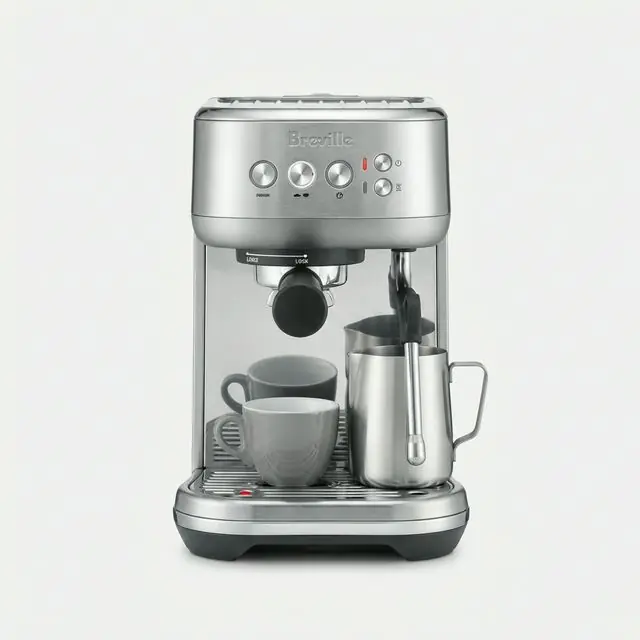
Best Espresso Machine for Decaf (2026)
Decaf is the hardest bean type to dial in. We ranked the espresso machines that make it easy, and explain the three features that actually matter for decaf.
Read More
Swiss Water vs Sugarcane (EA) vs CO2 Decaf: Which Process Is Best for Espresso?
Swiss Water, sugarcane EA, and CO2 decaf all pull excellent espresso — but they taste different. Here's how each process works and which to pick for your flavor goals.
Read MoreEnjoyed this article?
Follow us for more practical espresso and decaf insights delivered to your inbox.