Is Decaf Coffee Safe? The Methylene Chloride Question in 2026
As an Amazon Associate I earn from qualifying purchases.
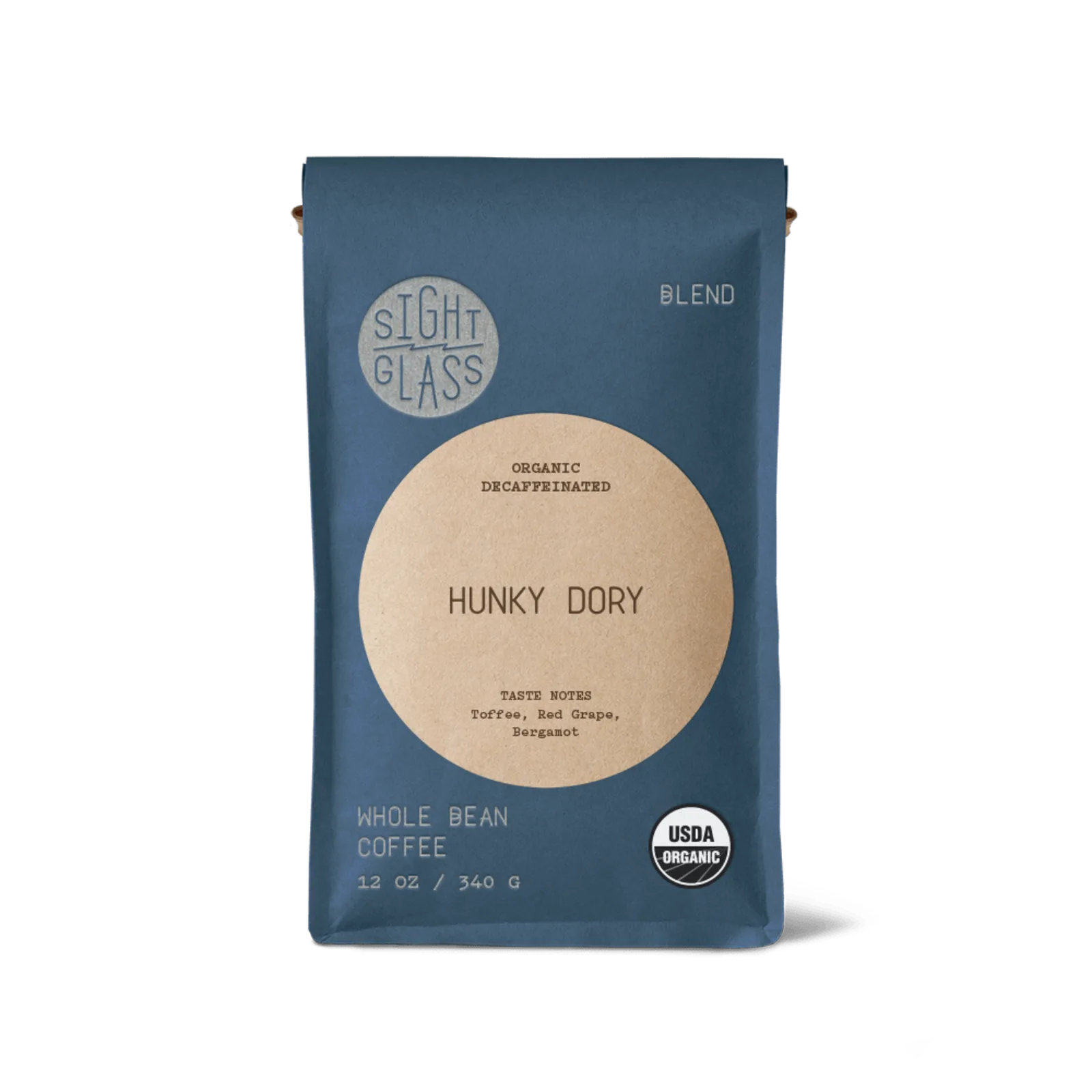
If you search for whether decaf coffee is safe, you will find confident articles claiming the FDA has banned methylene chloride, that California outlawed decaf, and that the EPA already prohibited the chemical in food. All three of those claims are false.
Here is the accurate picture as of July 2026, with the timeline and the sources, so you can make your own call.
The short version
- A food additive petition filed in December 2023 asks the FDA to revoke authorization for four solvents, including methylene chloride, on the grounds that the Delaney Clause prohibits carcinogenic food additives.
- The FDA reopened the public comment period in a Federal Register notice dated 28 May 2026. That comment period closed 29 June 2026.
- The FDA has not ruled. No ban exists.
- The current legal limit for residual methylene chloride in decaffeinated roasted coffee remains 10 parts per million, under 21 CFR 173.255.
- Solvent-free decaf — Swiss Water and CO2 process — is widely available and clearly labeled.
What the petition actually says
The petition was filed by the Environmental Defense Fund together with Breast Cancer Prevention Partners, the Center for Environmental Health, the Environmental Working Group, and food safety consultant Lisa Lefferts. It targets four solvents: benzene, ethylene dichloride, methylene chloride, and trichloroethylene.
The legal argument rests on the Delaney Clause, a provision of US food law that prohibits the approval of any food additive shown to induce cancer in humans or animals. The petitioners' position is not that decaf coffee has been shown to cause cancer — it is that the solvent is a recognized carcinogen and that the Delaney Clause therefore bars its authorization regardless of residue level.
That distinction matters, and most coverage collapses it. The petition is a legal argument about an additive authorization, not a finding about your morning cup.
What the FDA has signaled
In reopening the comment period, the FDA specifically asked for input on "practical considerations" for manufacturers in phasing out impacted uses should it grant the petition in whole or in part.
That is a meaningful signal. An agency that had no intention of acting does not usually ask industry how a phase-out would work. But it is a signal, not a decision, and it should not be reported as one.
The industry position
The National Coffee Association opposes the petition. Its argument is scale: roughly 10% of US adults, around 26 million people, drink decaf daily, and a large share of that supply is European Method — the process that uses methylene chloride. NCA CEO Bill Murray has said that banning European Method decaf "would defy science and harm Americans' health," pointing to research associating coffee consumption generally with positive health outcomes.
Whether you find that persuasive depends on how you weigh a precautionary legal standard against observed population-level outcomes. Both sides are arguing in good faith from different premises.
Three claims you will see that are wrong
"California banned decaf." No. Assembly Bill 2066 started as a sales ban, was amended down to a labeling requirement, then amended again to merely require the state's Office of Environmental Health Hazard Assessment to study methylene chloride. It was held in committee on 16 May 2024 and expired with the 2023-24 legislative session. It never became law.
"The EPA already banned it." The EPA did act on methylene chloride in April 2024 — but that action covers commercial and industrial uses and exists to protect workers from occupational exposure. It is not a food regulation and has no bearing on decaf coffee.
"The FDA has ruled." It has not. The comment period closed on 29 June 2026 and a decision is pending.
What testing has actually found
The most widely cited testing is a 2020 Clean Label Project analysis that found detectable methylene chloride in 10 of 24 decaf products tested, at levels below the 10 ppm ceiling. Fourteen of the 24 showed none.
Two caveats that most articles repeat the study without mentioning. First, the results are five years old and the market has moved — Peet's, one brand named in coverage of that testing, has since shifted to water process decaf. Second, detection below a regulatory limit is not the same as a violation, and the study did not claim otherwise.
If a decaf brand list you find online is dated 2020 to 2022, treat it as a historical snapshot, not current shopping advice.
How to avoid the question entirely
If you would rather not think about any of this, the labels you want are straightforward.
Swiss Water Process. Green coffee is soaked in water saturated with coffee solubles, and caffeine is drawn out through carbon filtration. No chemical solvent at any stage. Certified and clearly labeled.
CO2 process. Supercritical carbon dioxide selectively binds caffeine at high pressure. Also solvent-free, generally more expensive, and often used for larger commercial lots.
Ethyl acetate (EA), sometimes labeled "sugarcane process." This is a solvent, but a different one — ethyl acetate occurs naturally in fruit and in fermenting sugarcane, and it is not among the four solvents in the FDA petition. Widely used for Colombian decafs and often the best-tasting option for espresso.
European Method / EM / "chemical process." This is the methylene chloride route. It is legal, it is common, and it is the one the petition targets.
We compare all of these on flavor as well as process in Swiss Water vs EA vs CO2 decaf, and our best decaf espresso beans roundup lists the process for every pick.
If you want to avoid methylene chloride entirely, buy beans labelled Swiss Water Process, such as Kicking Horse Decaf.
As an Amazon Associate I earn from qualifying purchases.
A separate 2026 development worth knowing
On 29 June 2026, the FDA added draft guidance titled "Labeling Caffeine Content in Foods and Beverages" to its 2026 Human Foods Program guidance agenda.
Guidance is non-binding and no draft language exists yet, so there is nothing to act on. But if it advances, it would be the first time decaf drinkers get a consistent basis for knowing how much caffeine is actually in the product — which matters, because decaf is not caffeine-free. We cover the real numbers in how much caffeine is in decaf espresso.
Our position
We are not doctors and this is not medical advice. If you drink decaf for a medical reason, that conversation belongs with your physician.
What we will say is this: the uncertainty here is regulatory and legal, not a public health emergency, and it is entirely avoidable as a consumer. Swiss Water and CO2 decafs are widely available, well labeled, and — as of the specialty market in 2026 — genuinely good. You do not have to wait for the FDA to decide anything.
We will update this page when the FDA rules.
Sources: FDA Federal Register notice, 28 May 2026 · Daily Coffee News, 30 June 2026 · Daily Coffee News on caffeine labeling, 17 July 2026 · 21 CFR 173.255 · EDF petition announcement · National Coffee Association statement · California AB 2066 bill history
Frequently Asked Questions
Has the FDA banned methylene chloride in decaf coffee?
No. As of July 2026 the FDA has not ruled. A food additive petition filed in December 2023 asked the agency to revoke authorization for methylene chloride and three other solvents. The FDA reopened the public comment period in a Federal Register notice dated 28 May 2026, and that comment period closed on 29 June 2026. A decision is pending.
Did California ban decaf coffee?
No. California Assembly Bill 2066 was introduced in 2024, amended down from a sales ban to a labeling requirement, then amended again to require only a state study. It was held in committee on 16 May 2024 and expired with the legislative session. It never became law. Many articles state otherwise and are wrong.
How much methylene chloride is allowed in decaf coffee?
Under 21 CFR 173.255, residual methylene chloride in decaffeinated roasted coffee and soluble coffee extract is capped at 10 parts per million. Independent testing has found residues in some products well below that ceiling, and none at all in others.
Which decaf process avoids solvents entirely?
Swiss Water Process and CO2 (supercritical carbon dioxide) process use no chemical solvents at all. Ethyl acetate, often labeled EA or 'sugarcane process', is a solvent but a different one, naturally occurring in fruit and not the subject of the FDA petition. If you want to avoid methylene chloride specifically, look for Swiss Water, CO2, or EA labeling.
Should I stop drinking decaf?
That is a decision to make with your doctor, not a coffee website. What we can say factually is that the residue limit is 10 ppm, that the process solvent largely evaporates during roasting, that regulators have not concluded decaf is unsafe, and that solvent-free options are widely available and clearly labeled if you want to avoid the question entirely.
Best Decaf Espresso Editorial Team
Research-based reviewsWe research every machine, grinder and bean from manufacturer specs, manuals and long-term owner reports, and we read them with decaf in mind. We don't run in-house tests.
You Might Also Like
Why Is Decaf Coffee So Expensive Now? (2026)
Decaf now costs as much as the good stuff, and bags keep shrinking. Four structural causes explain it, none of them are your roaster gouging you, and one is easing in 2027.
Read More
Swiss Water vs Sugarcane (EA) vs CO2 Decaf: Which Process Is Best for Espresso?
Swiss Water, sugarcane EA, and CO2 decaf all pull excellent espresso — but they taste different. Here's how each process works and which to pick for your flavor goals.
Read MoreBest Decaf Espresso Beans: 7 Ranked Picks for 2026
We ranked the 7 decaf espresso beans that actually pull like specialty coffee, led by Sightglass Hunky Dory, with process labels, tasting notes, and starting recipes for each.
Read MoreEnjoyed this article?
Follow us for more practical espresso and decaf insights delivered to your inbox.