Swiss Water vs Sugarcane (EA) vs CO2 Decaf: Which Process Is Best for Espresso?
As an Amazon Associate I earn from qualifying purchases.
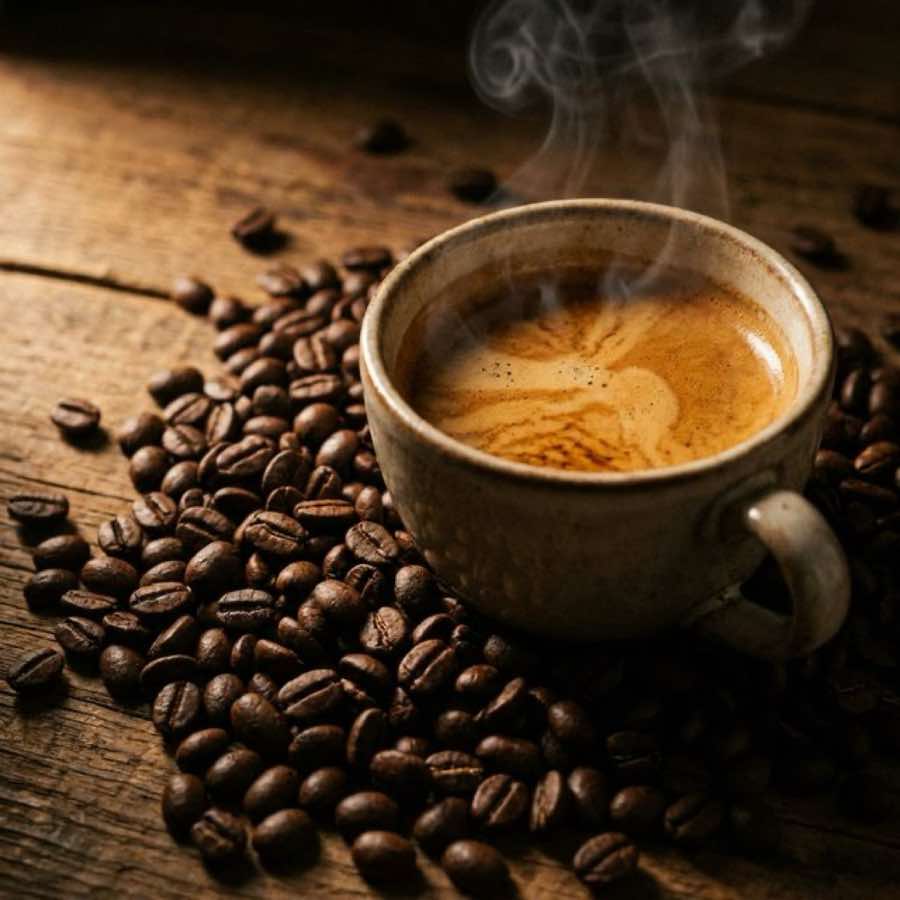
All three modern decaf processes — Swiss Water, sugarcane (EA), and CO2 — can make excellent espresso, so choose by flavor goal: Swiss Water for a clean, origin-true cup, sugarcane EA for a fruity, winey body that loves milk, and CO2 for origin character from larger producers. The "which process is best" debate matters far less than freshness, roast quality, and how well you dial in. But the processes do taste different, and once you know the signatures, you can shop a decaf shelf with real confidence.
We pull decaf shots daily on our test bench, and we rotate through all three processes constantly. This guide explains how each one actually removes caffeine, what that means in the portafilter, and how to decode a bag that doesn't want to tell you anything.
Decaf processing methods at a glance
Swiss Water vs Sugarcane (EA) vs CO2 Decaf: Which Process Is Best for Espresso?
| Process | How it works | Flavor impact | Typical origin | Label clues |
|---|---|---|---|---|
| Swiss Water | Water + green coffee extract + carbon filtration | Clean, transparent, origin-true | Anywhere (processed in Vancouver, Canada) | Swiss Water logo, "SWP", "chemical-free" |
| Sugarcane (EA) | Ethyl acetate from fermented sugarcane molasses dissolves caffeine | Fruity, winey, syrupy sweetness | Colombia, sometimes Mexico | "Sugarcane decaf", "EA", "natural decaf" |
| CO2 | Supercritical carbon dioxide selectively binds caffeine | Balanced, preserves origin character | Larger producers, often German-processed | "CO2 process", "sparkling water decaf" |
Every process starts the same way: green (unroasted) coffee is moistened or steamed to open up the bean, caffeine is pulled out by water, a solvent, or pressurized gas, and the beans are dried back down before shipping to the roaster. The differences are in what does the pulling — and what else comes out along with the caffeine.
Swiss Water Process: water, extract, and carbon
Swiss Water is the process most people mean when they say "chemical-free decaf." Despite the name, it's run at a single facility near Vancouver, Canada, and it uses nothing but water, temperature, and carbon filters.
Here's the plain-language version. Green beans are soaked in something called green coffee extract — water that's already saturated with all the soluble flavor compounds in coffee except caffeine. Because the extract is already "full" of flavor, the flavor in the beans has nowhere to go. Caffeine, though, isn't in the extract, so it migrates out of the beans and into the water following basic diffusion. The caffeine-laden extract then runs through carbon filters that trap the caffeine, and the cleaned extract goes back to work on the next batch. The cycle repeats until the beans hit the company's claimed 99.9% caffeine-free standard.
Because no solvents touch the coffee at any point, Swiss Water is compatible with certified organic coffees — which is why so many organic decafs carry the logo. It's also the easiest process to identify on a shelf, since Swiss Water actively licenses its branding to roasters.
In the cup: clean and transparent. Swiss Water decafs tend to taste like a slightly softened version of the original coffee, with no process signature layered on top. If you want a washed Ethiopian decaf to still taste like a washed Ethiopian, this is your lane. The Onyx Monarch decaf is a good example of how polished a Swiss Water coffee can taste as straight espresso — heavy, chocolatey, and nothing like the stale decaf stereotype.
Sugarcane (EA) decaf: the fruity one
Sugarcane decaf — also labeled EA or "natural decaf" — uses ethyl acetate as the caffeine solvent. That word "solvent" makes some people flinch, so let's be precise about what ethyl acetate actually is: a naturally occurring compound found in ripe bananas, apples, and wine. In this process it's derived from fermented sugarcane molasses, which is why the method took root in Colombia, where sugarcane and coffee grow side by side and the processing happens close to the farms.
The mechanics: beans are steamed to open their structure, then washed repeatedly with an ethyl acetate solution that bonds with caffeine and carries it out. A final steam stripping removes the residual EA, and the beans are dried for export.
In the cup: this is the process with the most personality. EA decafs tend to come out a touch sweeter and rounder, with fruity, red-wine, rum-raisin sorts of notes that the process itself seems to encourage. Some tasters describe it as a faint winey ferment character — and in espresso, that reads as syrupy body and dried-fruit sweetness. It's spectacular in milk. If your flavor goal is a fudgy, fruity cappuccino, a Colombian sugarcane decaf is the easy pick.
The trade-off is transparency: an EA decaf tastes a little more like the process and a little less like the unadulterated origin. Whether that's a bug or a feature depends entirely on what you want in the cup.
Is ethyl acetate decaf safe?
Yes, and this deserves a direct answer rather than hand-waving. Three things matter:
- It's a compound your body already knows. Ethyl acetate occurs naturally in fruit, wine, and even in coffee itself in small amounts. The sugarcane-derived version is chemically identical to what's in a ripe banana.
- Almost none of it survives to your cup. EA is highly volatile — it evaporates during the post-wash steaming and drying, and roasting at well over 190°C drives off essentially anything left. By the time you grind the beans, you're dealing with traces at most.
- Regulators have looked at this hard. Per FDA conventions, ethyl acetate is approved for decaffeination with residue limits set far below any level of concern, and EU regulations impose strict maximum residue limits on solvents in roasted coffee. Commercial decafs routinely test well under those ceilings.
The decaf solvent with a genuinely contested reputation is methylene chloride (used in some older "European process" decafs), which is a separate conversation — and one reason specialty roasters moved decisively toward Swiss Water, EA, and CO2. If a specialty bag says "sugarcane," you can drink it without a second thought.
CO2 process: precision at scale
The CO2 process (sometimes called supercritical CO2 or "sparkling water" decaf) is the engineering-heavy option. Moistened green beans go into a pressure vessel, and carbon dioxide is pumped in at high pressure — into a supercritical state where it behaves partly like a liquid and partly like a gas. In that state, CO2 is remarkably selective: it binds with caffeine molecules and largely ignores the carbohydrates and flavor precursors that make coffee taste like coffee. The caffeine-rich CO2 is then drawn off, the caffeine is removed, and the CO2 is recycled.
That selectivity is the headline. Because the process touches so little besides caffeine, CO2 decafs are prized for preserving origin character — the cup tastes like where it came from, not like how it was decaffeinated.
The catch is cost. Supercritical CO2 requires serious pressure vessels and serious capital, so it's the domain of larger processing facilities (much of it historically done in Germany) and bigger commercial volumes. You'll see it more often in supermarket and large-roaster decafs than in small single-farm lots, which skew Swiss Water or EA.
In the cup: balanced and classic. CO2 decafs rarely shout, but they're consistently clean, and a well-roasted one makes a quietly excellent espresso with no process funk to work around.
Which process is best for espresso?
Here's our honest bench take after years of pulling all three.
For straight shots where you want to taste the origin: Swiss Water or CO2. Both stay out of the coffee's way. If you drink espresso black and care about terroir, the process matters less than the green quality and the roast — a great Swiss Water Colombia will beat a mediocre CO2 Brazil every time.
For milk drinks: sugarcane EA, and it isn't close for us. That winey, dried-fruit sweetness cuts through steamed milk beautifully, and the syrupy body EA decafs tend to carry reads as richness in a flat white. Most of the standout decafs in our best decaf espresso beans lineup that we reach for in cappuccinos are Colombian sugarcane lots.
On body and crema: all decafs produce thinner crema than regular coffee — the processing makes the beans more porous and degassed, and there's less CO2 left to form foam. No process escapes this. EA decafs often look a touch richer in the cup because of their heavier body, but don't buy a process expecting regular-coffee crema. (If thin crema bothers you, fresher beans help more than process choice.)
On roast interaction: processed decaf beans are more brittle and take on roast color faster, so roasters walk a tightrope to avoid baked or ashy flavors. Swiss Water and CO2 decafs are forgiving of slightly darker espresso roasts; lighter-roasted EA decafs keep more of their fruit but ask more of your grinder and temperature control. Whatever you buy, expect to grind finer than your regular beans and to tighten the grind as shots run fast — our full guide to dialing in decaf espresso covers the adjustments step by step.
And on caffeine: all three processes land in the same place. Per FDA guidance, decaf means roughly 97% of caffeine removed, and under EU regulations roasted decaf must contain no more than 0.1% caffeine — which works out to a few milligrams per shot regardless of process. We break down the published numbers in how much caffeine is in decaf espresso.
How to read the bag
Roasters vary wildly in how clearly they label process, so here's the field guide:
- Swiss Water is the easiest: look for the official Swiss Water logo, "SWP," or "Swiss Water Process" — the company licenses its mark and roasters who pay for it use it proudly. "Chemical-free decaf" on a specialty bag almost always means Swiss Water.
- Sugarcane EA shows up as "sugarcane decaf," "sugarcane process," "EA," or sometimes just "natural decaf." A strong contextual clue: a Colombian decaf with no process listed is very likely sugarcane, since the major Colombian decaffeination plants use EA.
- CO2 appears as "CO2 process," "carbon dioxide method," or "sparkling water decaf." It's most common on larger-brand and supermarket decafs.
- Red flag silence: if a bag says nothing and the roaster's website says nothing, ask. Transparency about process correlates strongly with transparency about everything else — sourcing, roast dates, the works. The roasters we trust list the process the same way they list the farm. As a benchmark, look at how thoroughly a roaster like Stumptown documents its regular lineup — the Hair Bender page reads like a sourcing dossier — and expect the same standard from anyone selling you decaf.
Roast date matters more on decaf than on regular coffee because the freshness window is shorter — porous decaf beans stale faster. Buy from roasters who print roast dates, or take the guesswork out entirely with a decaf coffee subscription that ships fresh on a schedule. Our beans hub keeps a running list of decafs we've actually pulled shots with, sorted by process.
The bottom line
Don't let process tribalism pick your coffee. Swiss Water, sugarcane EA, and CO2 are all safe, all capable of stunning espresso, and all miles beyond the dusty decaf of twenty years ago. Use process as a flavor compass instead: Swiss Water or CO2 when you want the origin front and center, sugarcane EA when you want fruit, wine, and a milk drink with real personality.
Then do what matters most — buy fresh, grind finer than you think, and dial it in like you mean it. The best decaf process is the one inside a bag roasted three weeks ago by someone who tells you exactly what's in it.
Elara Stone
Decaf Advocate & Lead CupperElara is on a mission to prove that decaf espresso can rival any caffeinated shot. With a background in chemistry, she focuses on decaffeination processes and roast profiles that preserve sweetness.
You Might Also Like
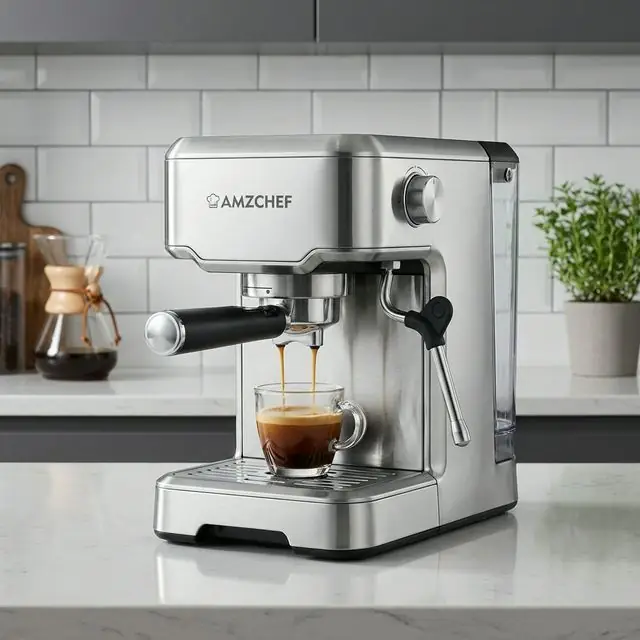
Is a 20 Bar Espresso Machine Good?
Espresso extracts at about 9 bars at the puck, so what does a 20-bar rating actually buy you? Here is what the number really measures, why marketing loves it, and what to look at instead.
Read More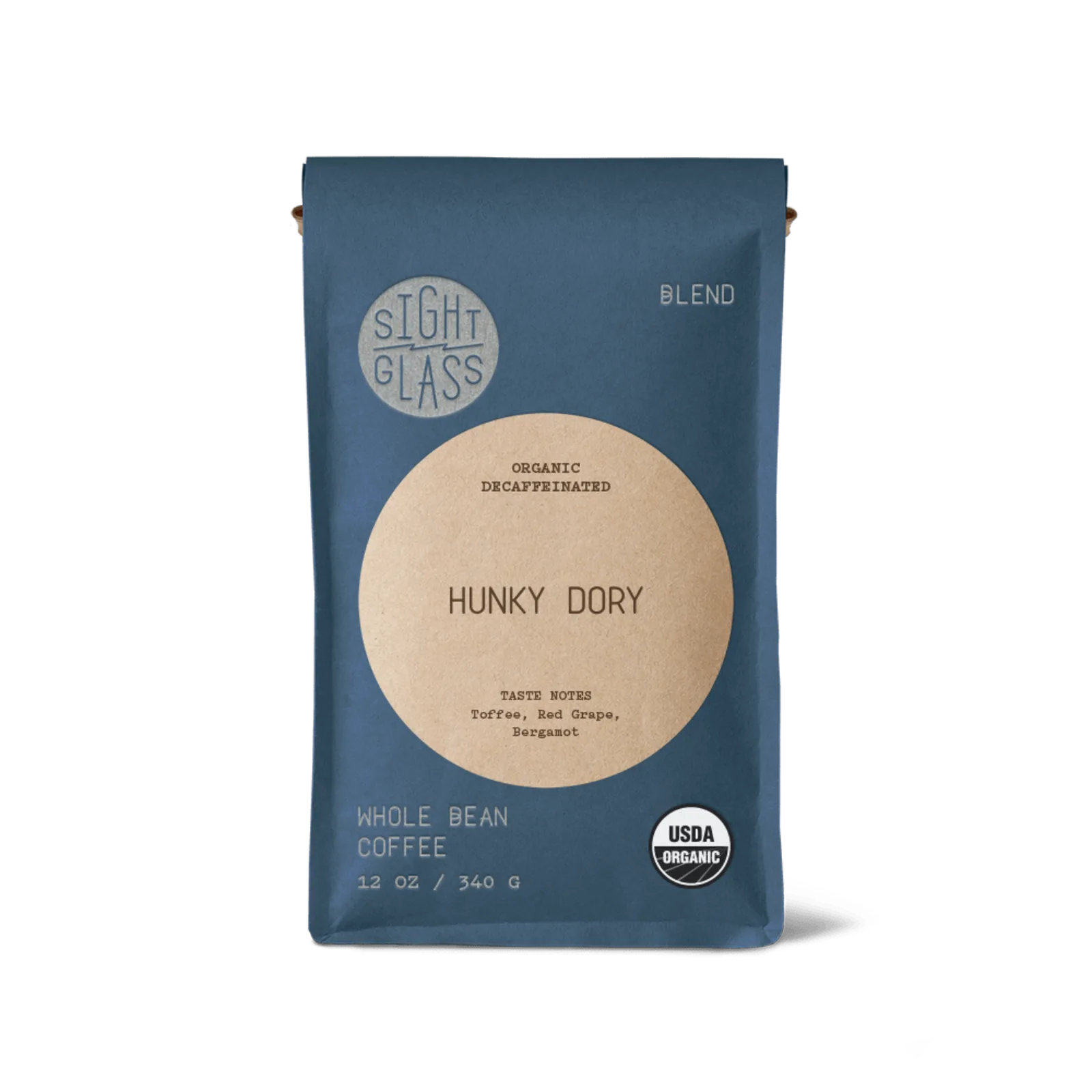
Why Is Decaf Coffee So Expensive Now? (2026)
Decaf now costs as much as the good stuff, and bags keep shrinking. Four structural causes explain it, none of them are your roaster gouging you, and one is easing in 2027.
Read MoreIs Decaf Coffee Safe? The Methylene Chloride Question in 2026
The FDA closed comments on the decaf solvent petition on 29 June 2026 and has not ruled. Here is what is actually true about methylene chloride, and how to buy decaf that never touches it.
Read MoreEnjoyed this article?
Follow us for more practical espresso and decaf insights delivered to your inbox.