How Much Caffeine Is in Decaf Espresso? (Real Numbers)
As an Amazon Associate I earn from qualifying purchases.
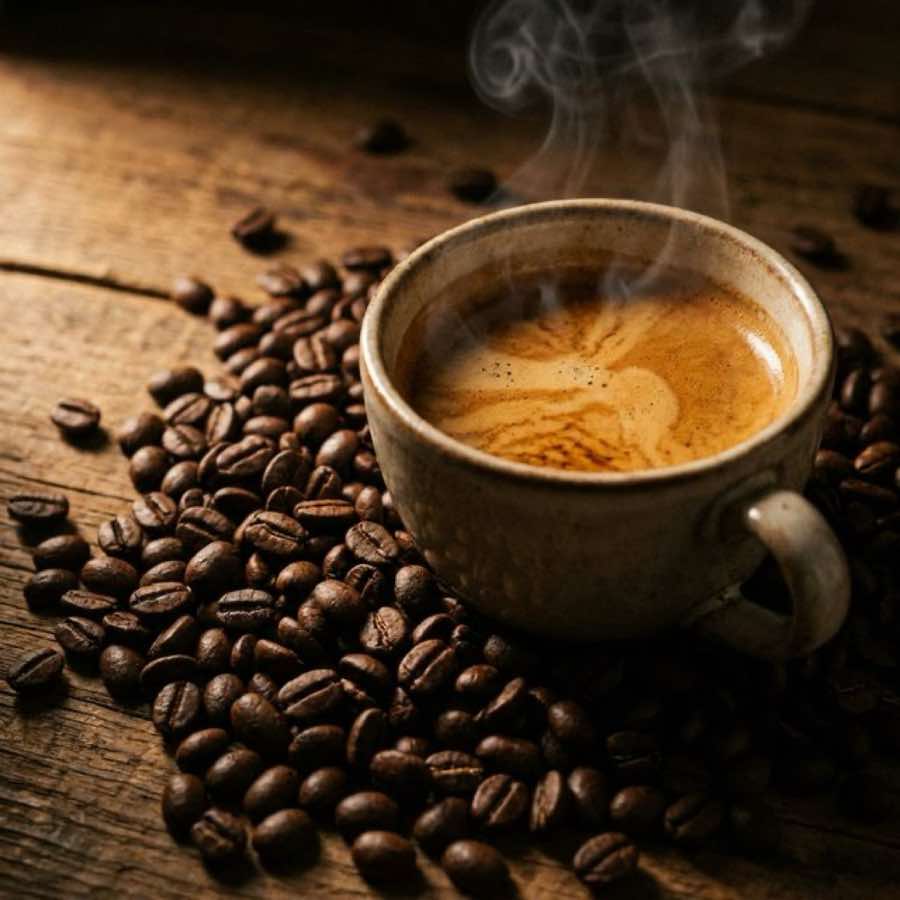
A single shot of decaf espresso typically carries about 2–8 mg of caffeine — roughly a tenth of a regular shot (commonly cited at 60–75 mg) or less. Decaf is not the same as caffeine free, but the residual amount is small enough that most people can drink it after dinner without a second thought. Here's where those numbers come from, why decaf can never hit a true zero, and how to push your cup as close to zero as possible.
Decaf vs regular: the numbers at a glance
We pulled these ranges from commonly published analyses and regulatory conventions rather than a single lab test, because caffeine content genuinely varies — by bean, process, dose, and brew method. Treat them as realistic ballparks, not precise measurements.
| Drink | Typical caffeine (commonly published ranges) |
|---|---|
| Regular espresso shot (single) | ~60–75 mg |
| Decaf espresso shot (single) | ~2–8 mg |
| Regular drip coffee (8 oz cup) | ~80–100 mg |
| Decaf drip coffee (8 oz cup) | ~2–15 mg |
| Black tea (8 oz cup) | ~40–50 mg |
Two things jump out of that table. First, decaf espresso and decaf drip land in a similar low band, even though espresso is far more concentrated — you're brewing a much smaller drink from a similar dose of nearly caffeine-free beans. Second, a cup of black tea carries several times more caffeine than any decaf coffee. If you happily drink tea in the afternoon, decaf espresso is a much milder choice than you might assume.
One honest caveat: "decaf espresso" ranges vary across published sources, partly because shot sizes vary. A long double pulled from an 18 g dose will extract more residual caffeine than a tight single from 9 g. The 2–8 mg figure is for a typical single shot; double it for a double and you're still usually under 20 mg.
Why decaf isn't zero
No commercial decaffeination process removes every last milligram. They all work the same way at a high level: green (unroasted) beans are soaked or treated so the caffeine migrates out, while the flavor compounds — ideally — stay put. Caffeine is water-soluble and chemically easy to target, but pulling out 100% of it would strip so much else from the bean that the coffee wouldn't be worth drinking.
So the standards are framed as thresholds, not zeros:
- Per FDA guidance, coffee sold as decaf in the US conventionally has about 97% of its caffeine removed. That's a convention rather than a strict cutoff, but it's the figure the industry works to.
- Under EU regulations, roasted decaf beans must contain no more than 0.1% caffeine by weight — a hard limit, and slightly stricter in practice than the US convention.
- Swiss Water Process goes further, advertising beans that are 99.9% caffeine free.
Run the practical math on the 97% convention and the numbers line up with the table above. If a regular shot lands around 60–75 mg, removing 97% leaves roughly 2 mg from the beans alone, and real-world shots drift a bit higher depending on dose, yield, and how thoroughly that particular lot was processed. That's exactly the 2–8 mg band published analyses keep finding.
The takeaway: "is decaf caffeine free?" gets a clear answer — no, but it's close enough to zero that the distinction only matters for people who need to avoid caffeine entirely (more on that below).
Which decaf process removes the most caffeine?
There are three processes you'll see on bags from serious roasters, and they differ more in flavor than in final caffeine content. We compare them in depth in our Swiss Water vs EA vs CO2 decaf guide, but here's the caffeine-specific summary.
Swiss Water Process
A water-based, chemical-free method that soaks green beans in caffeine-saturated water extract so only the caffeine migrates out. Swiss Water's headline claim is 99.9% caffeine free, which is the strictest standard you'll see printed on a bag. If your goal is the absolute minimum residual caffeine, this is the label to look for.
Sugarcane / EA (ethyl acetate)
Uses ethyl acetate derived from sugarcane fermentation as the caffeine solvent. It's the most common process in Colombian decafs and tends to leave fruity, slightly winey notes that we genuinely like in espresso. EA decafs sold in regulated markets still meet the same thresholds — under EU rules that's the 0.1% maximum — so the caffeine difference versus Swiss Water is tiny in absolute terms.
CO2 (supercritical carbon dioxide)
Supercritical CO2 targets caffeine very selectively, which is why this process is prized for preserving origin character. It's mostly used by larger producers because the equipment is expensive. Again, finished beans meet the same regulatory thresholds.
The honest verdict: any certified decaf from a reputable roaster is already in the low single-digit milligrams per shot. Choose your process for flavor first, and reach for Swiss Water specifically when squeezing out the last fraction of a milligram matters to you. Our roundup of the best decaf espresso beans flags the process used for every pick.
How many decaf shots equal one regular shot?
This is the question we get most, and the math is reassuring.
Take the commonly published midpoints: a regular single shot at roughly 60–75 mg, a decaf single at roughly 2–8 mg. Divide them out:
- Best case (2 mg decaf vs 60 mg regular): about 30 decaf shots to equal one regular.
- Worst case (8 mg decaf vs 75 mg regular): about 9–10 decaf shots.
So somewhere between 8 and 30 decaf espressos carry the caffeine of one regular shot. Nobody is drinking ten espressos in a sitting, decaf or otherwise.
A more useful way to frame it for daily life:
| Your decaf habit | Rough caffeine total |
|---|---|
| 1 decaf single | ~2–8 mg |
| 1 decaf double | ~4–16 mg |
| 3 decaf doubles across a day | ~12–48 mg |
| For comparison: 1 regular double | ~120–150 mg |
Even a heavy decaf habit — three doubles a day — usually totals less caffeine than a single regular shot. That's the real answer behind "decaf espresso caffeine content": it's not zero, but it's small enough that quantity barely moves the needle for most people.
Who decaf espresso suits
Evening espresso drinkers
This is us, honestly. A decaf shot or flat white after dinner gives you the ritual, the crema (thinner on decaf, but it's there), and the flavor without gambling on your sleep. At 2–8 mg, most people won't notice any stimulant effect at all, which is why decaf has become the default nightcap coffee in our house.
Anyone managing caffeine intake on medical advice
If you're pregnant, breastfeeding, managing a heart condition, or have been told to limit caffeine for any other reason, decaf can be a useful tool — but the right ceiling for you is a conversation for your doctor or midwife, not a coffee blog. What we can tell you is the factual part: decaf is very low in caffeine but not caffeine free, so mention that residual 2–8 mg per shot when you talk to a medical professional, and let them set the limits.
The caffeine sensitive
Some people genuinely feel small doses — jitters, anxiety, or disrupted sleep from amounts others shrug off. If that's you, decaf is usually still comfortable territory, but stack the deck: choose Swiss Water beans, stick to singles, and keep your decaf earlier in the evening rather than right before bed. If even decaf feels like too much, that's another flag worth raising with your doctor.
People who just love the taste
Worth saying: modern decaf is good now. The days of flat, cardboard-tasting decaf are over if you buy fresh, well-processed beans. Browse our decaf bean hub and you'll find sugarcane Colombians and Swiss Water single origins that hold their own against regular coffee. If you want a benchmark for how good decaf espresso can taste, Onyx's Monarch in decaf is a favorite of ours for rich, chocolatey shots.
How to minimize the caffeine even further
If your goal is to get as close to zero as practical, you have three levers.
1. Pick the process. Swiss Water's 99.9% caffeine-free claim is the strictest published standard, ahead of the FDA's roughly 97% removal convention and on par with or tighter than the EU's 0.1% rule. When the bag says Swiss Water, you're starting from the lowest baseline.
2. Control the drink size. Caffeine scales with dose and yield. A single shot (around 9 g of coffee) extracts roughly half the caffeine of a double (around 18 g), and an espresso-based drink keeps you well below a big mug of decaf drip, which published figures put as high as 15 mg per cup. If milligrams matter, order singles and skip the venti.
3. Don't bother with roast tricks. A persistent myth says darker roasts have less caffeine. Roast level barely changes caffeine per bean in regular coffee, and in decaf the caffeine was removed before roasting anyway. Buy the roast you like to drink; it won't move your caffeine number meaningfully in either direction.
One practical note while you're optimizing: decaf beans behave differently in the machine. They're more brittle after processing, grind finer-feeling, and shots run faster, so expect to tighten your grind compared to regular beans. Our guide to dialing in decaf espresso walks through the adjustments step by step so those low-caffeine shots actually taste great.
The bottom line
Decaf espresso is not caffeine free, and any bag that claims otherwise is overpromising. But the real numbers are small: published analyses generally find 2–8 mg per decaf shot, against 60–75 mg for regular espresso — and regulatory standards (the FDA's ~97% removal convention, the EU's 0.1% cap, Swiss Water's 99.9% claim) keep certified beans honest.
For most of us, that means decaf espresso is a free pass for evening drinking and an easy way to cut daily caffeine without giving up the hobby. If you need a hard medical limit, take the numbers above to your doctor. And if you're ready to put them to use, start with our picks for the best decaf espresso beans and the process comparison to find the bag that fits your cup.
Elara Stone
Decaf Advocate & Lead CupperElara is on a mission to prove that decaf espresso can rival any caffeinated shot. With a background in chemistry, she focuses on decaffeination processes and roast profiles that preserve sweetness.
You Might Also Like
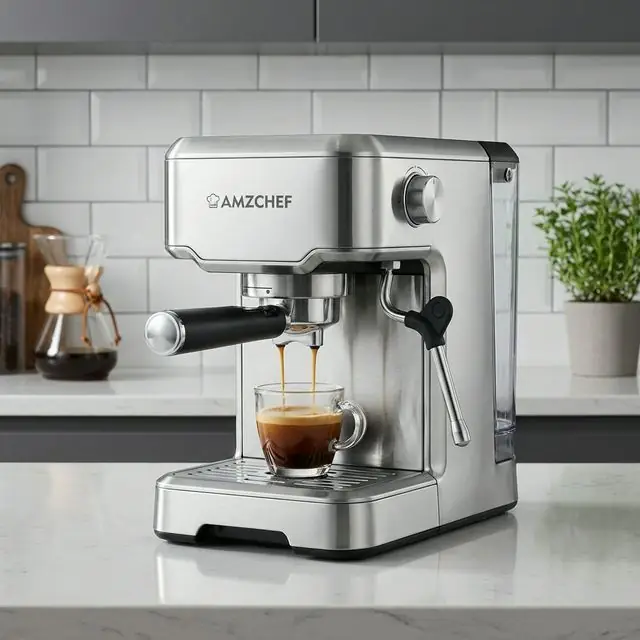
Is a 20 Bar Espresso Machine Good?
Espresso extracts at about 9 bars at the puck, so what does a 20-bar rating actually buy you? Here is what the number really measures, why marketing loves it, and what to look at instead.
Read More
Decaf Espresso With No Crema? Here Is Why (And the Fix)
Your decaf shot gushes in 12 seconds with thin, pale crema. Nothing is broken. Decaffeination changes the bean's structure, and here is exactly how to compensate.
Read More
Best Espresso Machine for Decaf (2026)
Decaf is the hardest bean type to dial in. We ranked the espresso machines that make it easy, and explain the three features that actually matter for decaf.
Read MoreEnjoyed this article?
Follow us for more practical espresso and decaf insights delivered to your inbox.