Breville Bambino Decaf Settings: Dose, Grind & Shot Guide
As an Amazon Associate I earn from qualifying purchases.
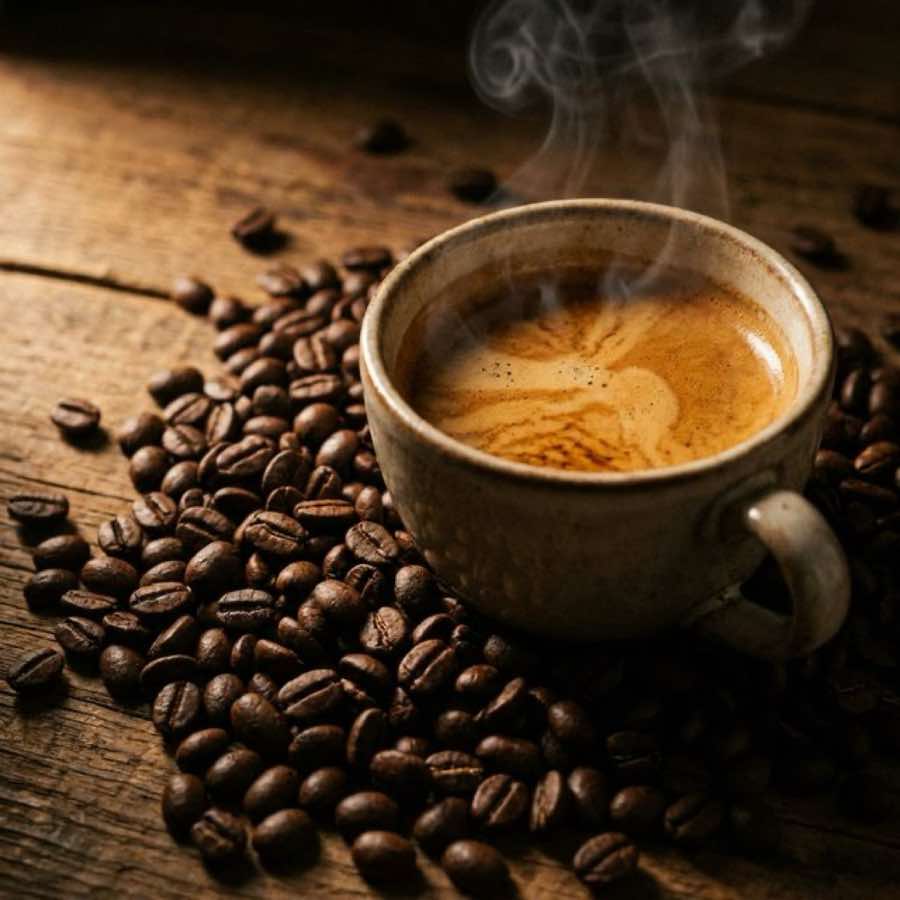
For decaf on the Breville Bambino Plus, start at 18g in and 36g out in 25–30 seconds using the single-wall basket, with the grind set noticeably finer than you would use for regular beans, then tighten from there. Decaf behaves differently in the Bambino's small 54mm basket than caffeinated coffee does, and the machine's fixed temperature and fast heat-up change how you should warm up and dial in. This guide gives you the exact starting settings we use, then walks through adjusting them for your specific beans.
If you're still deciding whether this machine is right for you, our full Breville Bambino Plus review covers the hardware in depth. And if you want the bean-agnostic theory behind everything here, our pillar guide to dialing in decaf espresso is the place to start.
Decaf starting recipe for the Bambino Plus
These are recommended starting points for dialing in, not lab-verified targets. Your beans, grinder, and roast date will all shift the numbers, which is exactly why we adjust from here rather than treating any row as gospel.
| Recipe | Dose (g) | Yield (g) | Time (s) | Temp |
|---|---|---|---|---|
| Light–medium decaf (straight shots) | 18 | 36 | 27–30 | Stock (pre-warm with a blank shot) |
| Dark decaf (straight shots) | 17 | 38–40 | 24–27 | Stock |
| Milk-drink recipe (lattes, flat whites) | 18 | 40 | 25–28 | Stock |
A few notes on reading that table. The light–medium row runs a classic 1:2 ratio with a slightly longer shot time because lighter decafs need more contact time to extract sweetness. The dark decaf row drops the dose a gram and stretches the ratio, since dark-roasted decaf is the most brittle, fastest-flowing coffee you will ever put through this machine and it over-extracts into ashy bitterness quickly. The milk recipe pushes yield a little higher so the shot has enough strength and clarity to punch through steamed milk.
Why decaf behaves differently on the Bambino specifically
Most decaf dial-in advice assumes a 58mm commercial-style machine. The Bambino has three quirks that change the picture.
The 54mm basket is deeper, and decaf loves to channel
As we covered in our Bambino Plus review, the 54mm portafilter holds the same dose as a 58mm basket in a narrower, taller puck. A deeper puck means water travels further through the coffee bed, and any weak spot gets exploited harder.
Decaf makes this worse. Decaffeinated beans come out of processing more brittle and porous, so they shatter into more fines at the grinder. Fines plus a fast-flowing, low-density coffee bed is the classic recipe for channeling: water finds a crack, blasts through it, and you get a shot that is simultaneously sour and bitter. On a 54mm machine, puck prep is not optional with decaf. Our WDT and puck prep guide covers the technique in detail, and we genuinely consider it mandatory homework for this machine.
ThermoJet heats fast but holds little
The Bambino's ThermoJet is ready in three seconds, which is brilliant for busy mornings but means there is very little hot metal in the system. A cold portafilter and group can pull effective brew temperature down a couple of degrees in the cup. With a forgiving dark roast that barely matters. With a light Swiss Water decaf that already needs every degree it can get, it shows up as thin, sour shots.
The workaround is simple: run a blank shot through the locked-in (empty) portafilter before you brew, dump the water, then dose and pull your real shot. It costs you twenty seconds and noticeably improves light decafs.
The low-pressure pre-infusion is your friend
The Bambino ramps up to full pressure through a brief low-pressure pre-infusion rather than slamming the puck at 9 bar immediately. For brittle, fines-heavy decaf pucks this is a real advantage, because the gentle ramp lets the puck swell and settle before full pressure arrives, reducing the chance of fracturing the bed. You don't need to do anything to enable it; just know that it buys decaf a little forgiveness, and resist the urge to interrupt the shot early when the first drips seem slow. Slow first drips on decaf are usually a good sign.
Step-by-step decaf dial-in walkthrough
Here is the exact sequence we run with a fresh bag of decaf.
1. Set the grind finer than you think
If your grinder has a setting you use for regular espresso, start two to four steps finer for decaf. On a DF64 Gen 2 that's roughly 3–5 numbers tighter on the dial. Decaf flows faster at any given setting, and starting too coarse wastes beans on gusher shots.
2. Dose 18g and distribute properly
Weigh 18g into the single-wall double basket. Then WDT it: stir the grounds with a fine-needle tool to break up clumps and level the bed. Decaf clumps more than regular coffee because of its processing, so this step matters more here than on almost any other setup. Our WDT and puck prep walkthrough shows the full routine.
3. Tamp level, not hard
Press until the coffee stops compressing, keeping the tamper dead level. Pressure beyond that point does nothing; a tilted tamp on a deep 54mm puck does plenty of damage.
4. Pre-warm, then pull and weigh
Run your blank shot, lock in the dosed portafilter, put your cup on a scale, zero it, and start the shot. Target 36g of espresso in the cup, timing from the moment you press the button. With pre-infusion included, you want 25–30 seconds total.
5. Taste, then change one variable
This is the rule that saves bags of decaf: change one thing at a time.
- Shot ran under 20 seconds: grind finer. Don't touch anything else.
- Shot tastes sour or sharp: grind slightly finer or extend yield to 38–40g.
- Shot tastes bitter or ashy: grind slightly coarser, or pull the yield back toward 34g.
- Shot is in range but tastes hollow: try the blank-shot pre-warm if you skipped it.
Two or three shots is usually enough to land somewhere drinkable; five gets you to genuinely good. If you want the deeper theory on why decaf responds the way it does to each variable, the dialing in decaf espresso pillar guide goes several levels further.
Single-wall or dual-wall basket for decaf?
The Bambino ships with both, and the choice matters more for decaf than for regular beans.
The single-wall basket is what every recipe in this guide assumes. It gives you real feedback: when the shot runs fast, you know your grind is too coarse, and you can fix it. That feedback loop is how you get from acceptable decaf to excellent decaf.
The dual-wall (pressurized) basket forces flow through a tiny exit hole, generating fake resistance regardless of grind. For a genuine beginner using pre-ground decaf, it will produce a drinkable, foamy-crema shot when nothing else will, and there is no shame in starting there. But it masks every problem rather than fixing it, and pre-ground decaf goes stale fast anyway. Our advice: use the dual-wall for your first week if you must, then commit to the single-wall basket and a proper grinder. Fresh beans matter too; our roundup of the best decaf espresso beans covers what we are actually pulling on the Bambino this year.
Milk drinks with decaf on the Bambino Plus
The Bambino Plus's automatic steam wand is the easiest path to good microfoam at this price, and decaf milk drinks are where this machine shines, because slightly thinner decaf crema disappears under milk anyway.
Our settings for a decaf flat white or latte:
- Milk temperature: the middle setting. The hottest setting scorches sweetness out of the milk and overwhelms decaf's softer flavors.
- Froth level: low for flat whites, medium for lattes. Medium produces foam that holds basic latte art.
- Shot: the milk-drink row from the table above, 18g in and 40g out, so the coffee doesn't vanish into the cup.
Sugarcane (EA) process decafs are our favorite for milk on this machine; the fruity, winey notes common in Colombian sugarcane decafs survive milk far better than a generic dark roast does.
Troubleshooting decaf shots on the Bambino
The gusher: shot finishes in 15 seconds. Almost always grind, not technique. Go several steps finer, not one. Decaf's brittleness means your regular-coffee instincts will under-correct. If you're already at your grinder's finest usable setting, that's a grinder limitation, not a you problem.
Sour, sharp, or salty shots. Under-extraction. Grind finer, extend yield toward 40g, and add the blank-shot pre-warm. Light decafs on a cold Bambino are the most common sour-shot scenario we see.
Bitter, ashy, or drying shots. Over-extraction, most common with dark decaf. Coarsen the grind slightly, cut the yield back, and check your roast date; decaf has a shorter freshness window than regular coffee, and stale dark decaf turns bitter fast.
Shots that taste different every day. Channeling from inconsistent prep. Tighten your WDT routine, check that your tamp is level, and dose by weight every single time, not by eye.
Gear that makes Bambino decaf easier
You can pull good decaf on a stock Bambino Plus with nothing else, but three additions transform the consistency.
A grinder with real espresso-range adjustment. This is the big one. Decaf needs finer settings than regular beans, and it punishes grinders with coarse, clunky steps. The DF64 Gen 2 is our value pick for this machine; if you're weighing it against single dosing's other darling, our Niche Zero vs DF64 Gen 2 comparison breaks down which suits a Bambino owner better.
A 0.1g scale. Decaf dial-in is a weighing game: dose in, yield out, every shot. The Acaia Lunar fits the Bambino's shallow drip tray area and auto-starts its timer, but any accurate 0.1g scale that fits under the spouts will do the job.
A WDT tool. A few dollars of needles that fix decaf's clumping problem. Paired with the routine in our puck prep guide, it eliminates most of the shot-to-shot inconsistency people blame on the machine.
As an Amazon Associate I earn from qualifying purchases. Buying through this link costs you nothing extra.
The bottom line
The Bambino Plus is a genuinely good decaf machine once you accept its terms: grind finer than feels right, dose 18g into the single-wall basket, prep the puck carefully, pre-warm for light roasts, and aim for 36g out in 25–30 seconds. Get those habits in place and the 54mm basket and ThermoJet stop being limitations and start being a fast, compact route to decaf shots you'd happily pay for.

Barista Ben
Home Espresso EnthusiastBen has been pulling shots at home for over eight years, starting with a Gaggia Classic and working up to dual boilers. He focuses on practical, real-world advice for home baristas who want cafe-quality results without cafe-level budgets.
You Might Also Like
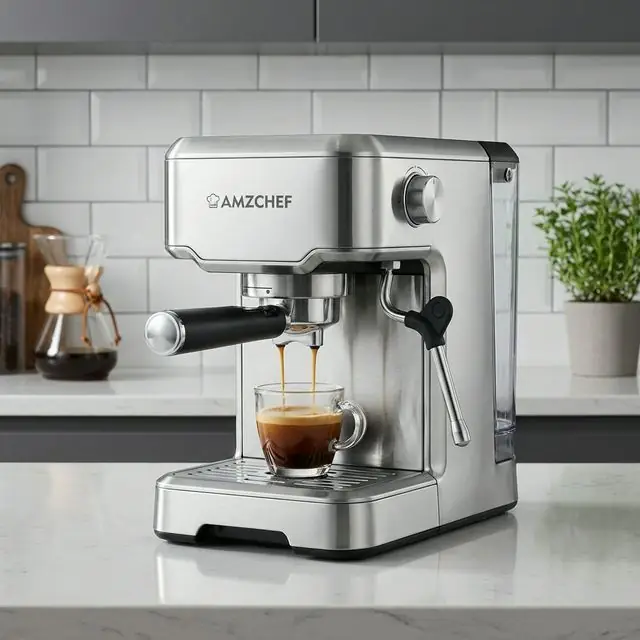
Is a 20 Bar Espresso Machine Good?
Espresso extracts at about 9 bars at the puck, so what does a 20-bar rating actually buy you? Here is what the number really measures, why marketing loves it, and what to look at instead.
Read More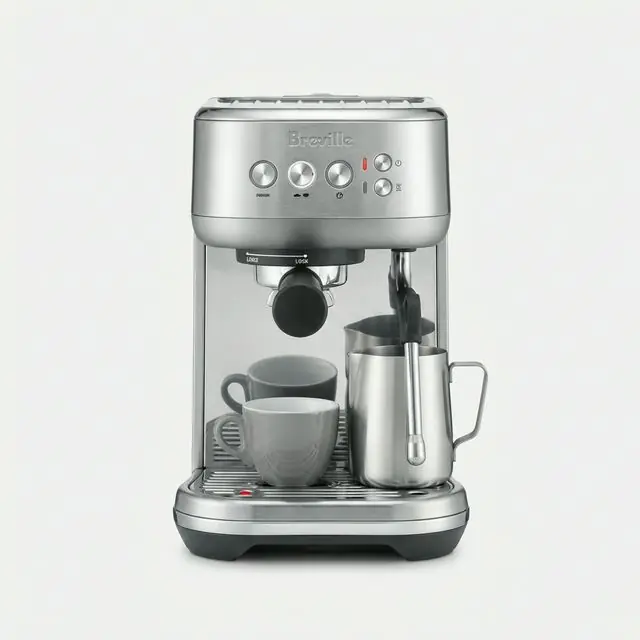
Breville Bambino Plus Review (2026): The Best Small Machine for Decaf Espresso?
A decaf-first look at the compact Breville Bambino Plus: why the 3-second heat-up makes it the best small espresso machine for evening decaf drinkers.
Read MoreBest Espresso Machine for Decaf (2026)
Decaf is the hardest bean type to dial in. We ranked the espresso machines that make it easy, and explain the three features that actually matter for decaf.
Read MoreEnjoyed this article?
Follow us for more practical espresso and decaf insights delivered to your inbox.