DF64 Gen 2 Review (2026): The Value Flat Burr for Decaf Drinkers
As an Amazon Associate I earn from qualifying purchases.
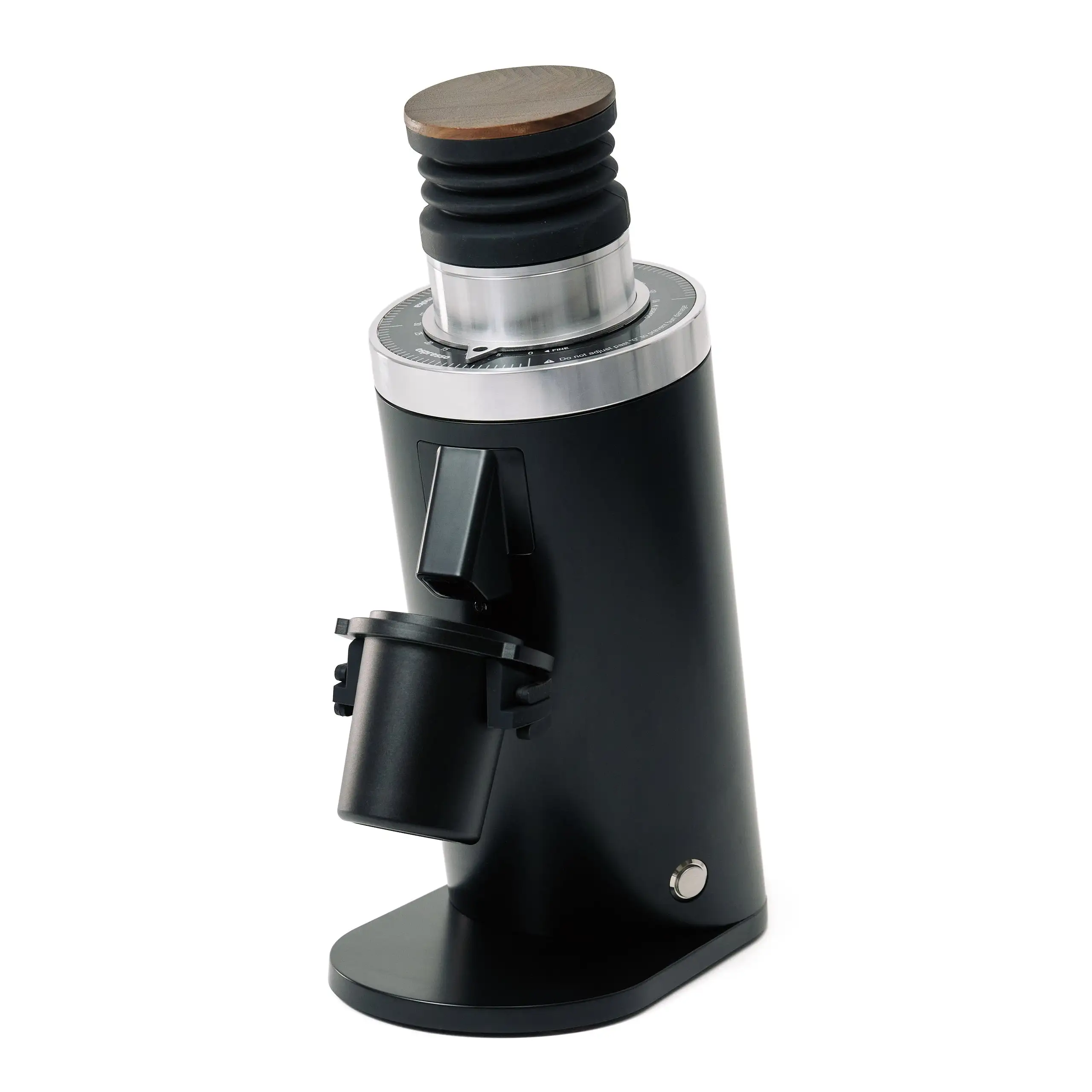
The DF64 Gen 2 is the best-value 64mm flat-burr grinder on the market, and its single-dosing workflow makes it close to ideal for anyone running decaf alongside regular beans. The original DF64 was a great idea with rough edges; the Gen 2 sands most of them off. If you want flat-burr clarity for well under the price of the boutique options, this is the one to beat.
It's a natural fit as a dedicated decaf grinder, or as the one grinder in a household that switches between a Swiss Water Colombian and a regular blend daily. Here's the full picture, including the stuff the spec sheet won't tell you.
Quick verdict at a glance
| Category | Our take |
|---|---|
| Best for | Single-dosers who want flat-burr clarity on a budget |
| Burrs | 64mm flat (DLC-coated stock), SSP upgrade path |
| Retention | Very low with bellows (well under 0.5g exchange) |
| Decaf suitability | Excellent — clean bean switching, clarity flatters lighter decafs |
| Workflow | Good, with a short bellows routine; some static on dry beans |
| Noise | Loud-ish but brief; shorter grind times than conical rivals |
| Weak points | Plasticky accessories, fiddly fine adjustment near espresso range |
| Verdict | The value pick in flat-burr single-dosing |
What the Gen 2 fixed over the original DF64
The first DF64 earned a cult following because it brought 64mm flat burrs to a price bracket previously owned by conicals. It also earned a reputation for needing tinkering before it sang. The Gen 2 addresses the three complaints everyone had.
Popcorning. The original's wide-open throat let the last few beans bounce on top of the burrs instead of feeding in, which stretched out grind times and hurt consistency at the end of a dose. Gen 2's redesigned hopper and feed geometry tames this. Beans feed steadily to the end, and owners consistently report grind times that are noticeably more repeatable dose to dose.
Alignment. Early DF64s shipped with hit-or-miss burr alignment, and the community workaround was the famous foil-shim mod. Gen 2 units arrive much better aligned out of the box. Owner-run marker tests on Gen 2 units now routinely pass on the stock burrs without any shimming, which is exactly what you want from a grinder at this price.
The declumper and exit path. Gen 1 grounds could come out clumpy and spray-prone. The Gen 2's revised declumper and chute deliver fluffier, better-behaved grounds straight into the dosing cup, with less mess on the counter and less of the boulder-and-dust texture that ruins distribution.
None of this is secret sauce. These were the most-discussed pain points in the single-dosing community, and DF64 clearly listened. The result is a grinder that works properly on day one instead of after a weekend of mods.
64mm flat burrs: what the clarity actually buys you
If you're coming from a conical like the Niche Zero or a hand grinder, the flat-burr difference is real but subtle-sounding on paper: a tighter particle distribution with fewer fines and fewer boulders. In the cup, that translates to more separation between flavors. Acidity reads brighter, sweetness reads cleaner, and the muddled mid-range that conicals can produce opens up.
The stock DLC-coated burrs need seasoning. Expect the first kilogram or so of beans to taste a bit flat and the grind setting to drift slightly finer as the edges break in. Run cheap beans or old decaf through it for the first couple of weeks and don't judge it harshly until then.
Adjustment is stepless via the top collar. It's precise once you learn it, but the espresso range is compressed into a small arc of rotation, so small nudges matter. Mark your regular and decaf settings on the collar with a paint pen, and switching beans becomes a five-second job.
How it handles decaf
This is where the DF64 Gen 2 earns its place on a decaf-first site. Two things make it genuinely well suited to decaf drinkers.
Single-dosing means clean switching. If you drink regular in the morning and decaf after noon, a hopper grinder forces you to purge through a chamber full of the wrong bean. The DF64 Gen 2 holds essentially nothing. Weigh your dose, drop it in, grind, give the bellows two or three pumps, and the chamber is clear. Owners consistently measure exchange between doses at well under half a gram, so your evening decaf shot isn't secretly 10% caffeinated. For households juggling both, this is the killer feature.
Decaf grinds differently, and the DF64 copes well. Decaf beans are more brittle and less dense after processing, so they fracture more readily, produce more fines, and shots tend to run faster than you'd expect at a given setting. The practical rule: when moving from regular to decaf, grind one to two steps finer and expect to tighten further as you dial in. The DF64's stepless collar makes those micro-adjustments easy, and the improved declumper handles the fluffier, fines-heavy decaf grounds without clumping them back together.
The flat-burr clarity is also a quiet win for decaf specifically. Good modern decafs, especially sugarcane-process Colombians with their fruity, winey character, have more going on than people expect, and a tight particle distribution lets that show instead of burying it. A Swiss Water decaf that reads merely pleasant through a conical will often show up distinctly sweeter and more layered through flat burrs. If you're working through our picks for the best decaf espresso beans, this grinder will show you the differences between them more clearly than most rivals at the price.
For starting points, here's a sensible baseline when bringing a new decaf onto the DF64 Gen 2. Treat these as recommended starting points for dialing in, not gospel.
| Dose (g) | Yield (g) | Time (s) | Temp |
|---|---|---|---|
| 18 | 38 | 26–30 | 94°C / 201°F |
| 18 | 42 | 24–28 | 93°C / 199°F |
Decaf often rewards a slightly longer ratio and a small temperature tweak; our full guide to dialing in decaf espresso walks through the whole process step by step.
The SSP burr upgrade path
Part of the DF64's appeal is that it's a platform, not just a product. The 64mm format means it accepts SSP's aftermarket burr sets, the multipurpose and high-uniformity geometries that enthusiasts rave about for added clarity and sweetness.
Our honest advice: skip them at first. The Gen 2's stock burrs, properly seasoned, get you most of the way there, and SSP sets cost a meaningful fraction of the grinder's entire price. Installation also demands care; you're back to checking alignment yourself. The upgrade makes sense a year in, when you know your palate wants more separation and you'd rather spend $150-plus on burrs than $1,000-plus on a new grinder. The fact that the option exists is the point: the DF64 Gen 2 can grow with you in a way most grinders at this price can't.
Workflow, static, and noise
The daily routine: weigh beans into the dosing cup, tip them in, fit the bellows lid, grind (about 6 to 10 seconds for an 18g espresso dose), pump the bellows two or three times, tap, done. It becomes muscle memory within a week.
Static is the Gen 2's remaining quirk. Dry, light-roasted beans (and some very dry decafs) can fling a little chaff and cling to the cup. A drop of water on the beans before grinding (the RDT trick) eliminates it almost entirely. We consider this a non-issue with the workaround, but you should know the workaround is part of the workflow.
Noise is a fast, businesslike roar, louder in pitch than the Niche but over quickly because flat burrs chew through a dose faster. It won't wake the house at 6 a.m. any more than a kettle will.
Honest cons
- The included accessories (dosing cup, bellows) feel more functional than premium; the cup's plastic lid is forgettable.
- The espresso adjustment range is compressed, so dialing in demands small, deliberate moves.
- Stock burrs need real seasoning time before they show their best.
- Static management (RDT) is effectively mandatory with some beans.
- It's utilitarian-looking next to the Niche; nobody buys this for the aesthetics.
None of these are dealbreakers at the price. They're the trade-offs that make a sub-$500 flat burr possible.
DF64 Gen 2 vs Niche Zero
This is the comparison everyone shopping in this bracket ends up making, and we've written a full head-to-head: read our Niche Zero vs DF64 Gen 2 comparison for the category-by-category detail. The short version: the Niche Zero is quieter, simpler, and more polished, with a forgiving conical profile that flatters traditional dark-roast espresso. The DF64 Gen 2 is cheaper, more upgradeable, and delivers more clarity, which we think suits modern light and medium decafs better. Both single-dose brilliantly, so decaf switching is a wash. If budget decides it, the DF64 wins; if workflow refinement decides it, the Niche does.
Verdict: who should buy the DF64 Gen 2
- The decaf-and-regular household: Buy it. Clean switching plus low retention is exactly what you need, and the savings over boutique flats fund a lot of good decaf.
- The clarity chaser on a budget: Buy it, season the burrs, and pocket the SSP upgrade for later. It's our value pick among everything in our grinder reviews hub and sits at the top of our best espresso grinders under $500 list.
- The workflow perfectionist: Consider the Niche Zero instead; you're paying for refinement, not results.
- The all-in enthusiast: The DF64 Gen 2 plus SSP burrs rivals grinders at twice the combined price.
As an Amazon Associate I earn from qualifying purchases. Buying through this link costs you nothing extra.
Final thoughts
The original DF64 proved there was huge demand for affordable flat-burr single-dosing; the Gen 2 finally delivers it without the asterisks. For decaf drinkers in particular, the combination of near-zero retention, easy fine adjustment for brittle beans, and genuine flat-burr clarity makes it the most sensible grinder we can recommend at this price. It's the rare budget pick that needs no asterisk.
Marcus Vane
Equipment SpecialistMarcus has spent over a decade in the specialty coffee industry, from managing high-volume cafes in Melbourne to technical consulting for home espresso equipment manufacturers. He specializes in thermal stability and grinder burr geometry.
You Might Also Like
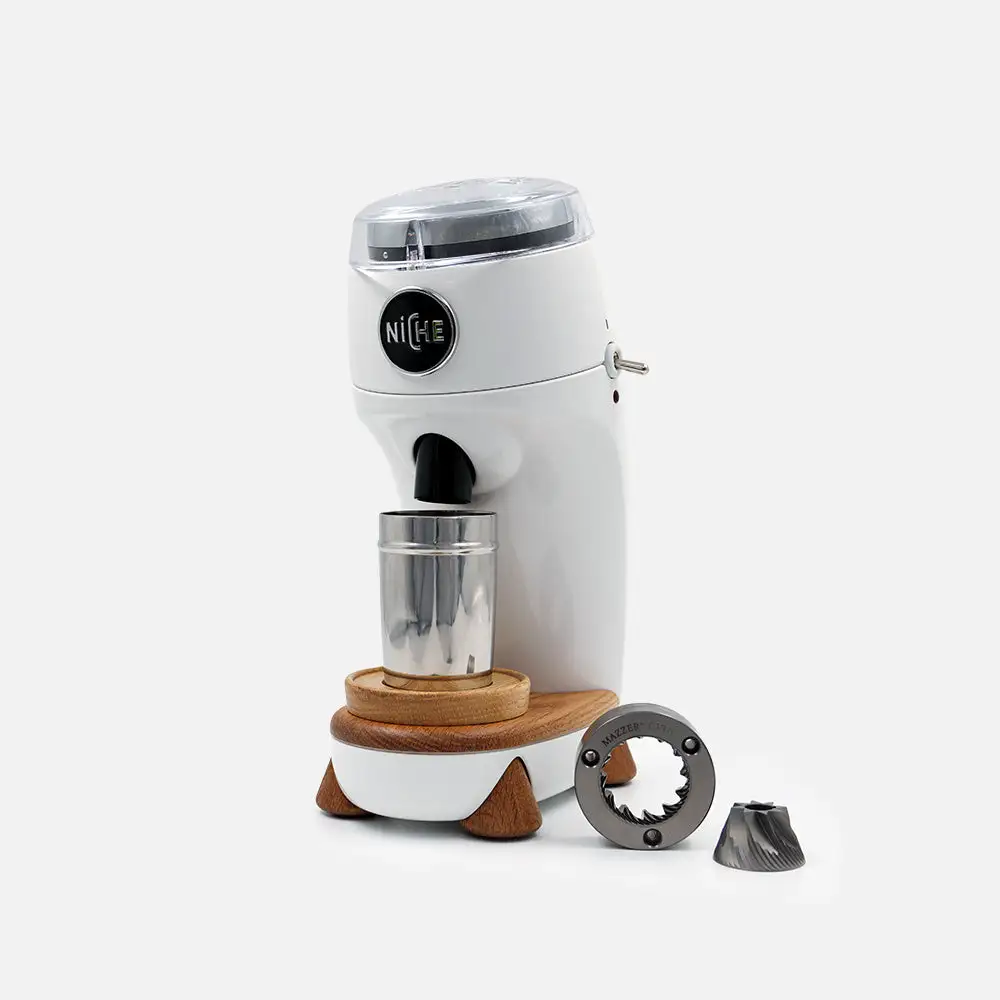
Niche Zero Review (2026): Still the Single-Dosing Benchmark for Decaf Espresso
The Niche Zero redefined the home grinder market. Marcus Vane reviews the 63mm conical single-doser to see why it remains our top pick for decaf drinkers in 2026.
Read More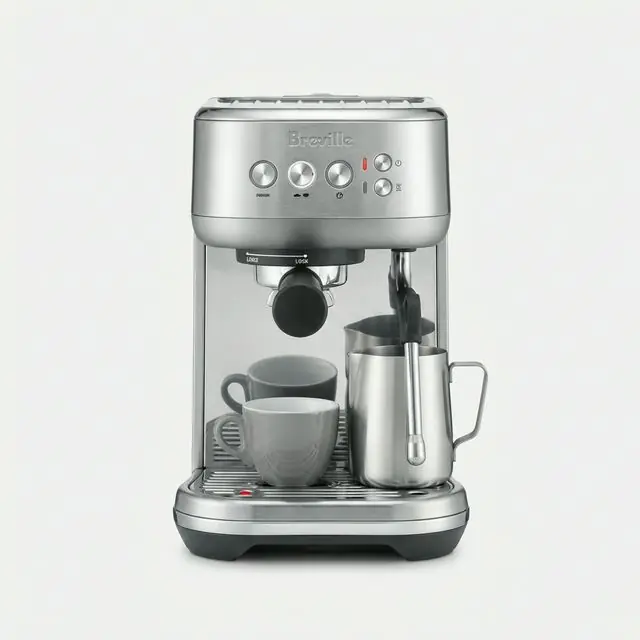
Breville Bambino Plus Review (2026): The Best Small Machine for Decaf Espresso?
A decaf-first look at the compact Breville Bambino Plus: why the 3-second heat-up makes it the best small espresso machine for evening decaf drinkers.
Read MoreNiche Zero vs DF64 Gen 2: Which to Buy
Niche Zero is the cleaner daily workflow grinder; DF64 Gen 2 is the better value for flat-burr clarity and future upgrades. Here is how to choose.
Read MoreEnjoyed this article?
Follow us for more practical espresso and decaf insights delivered to your inbox.